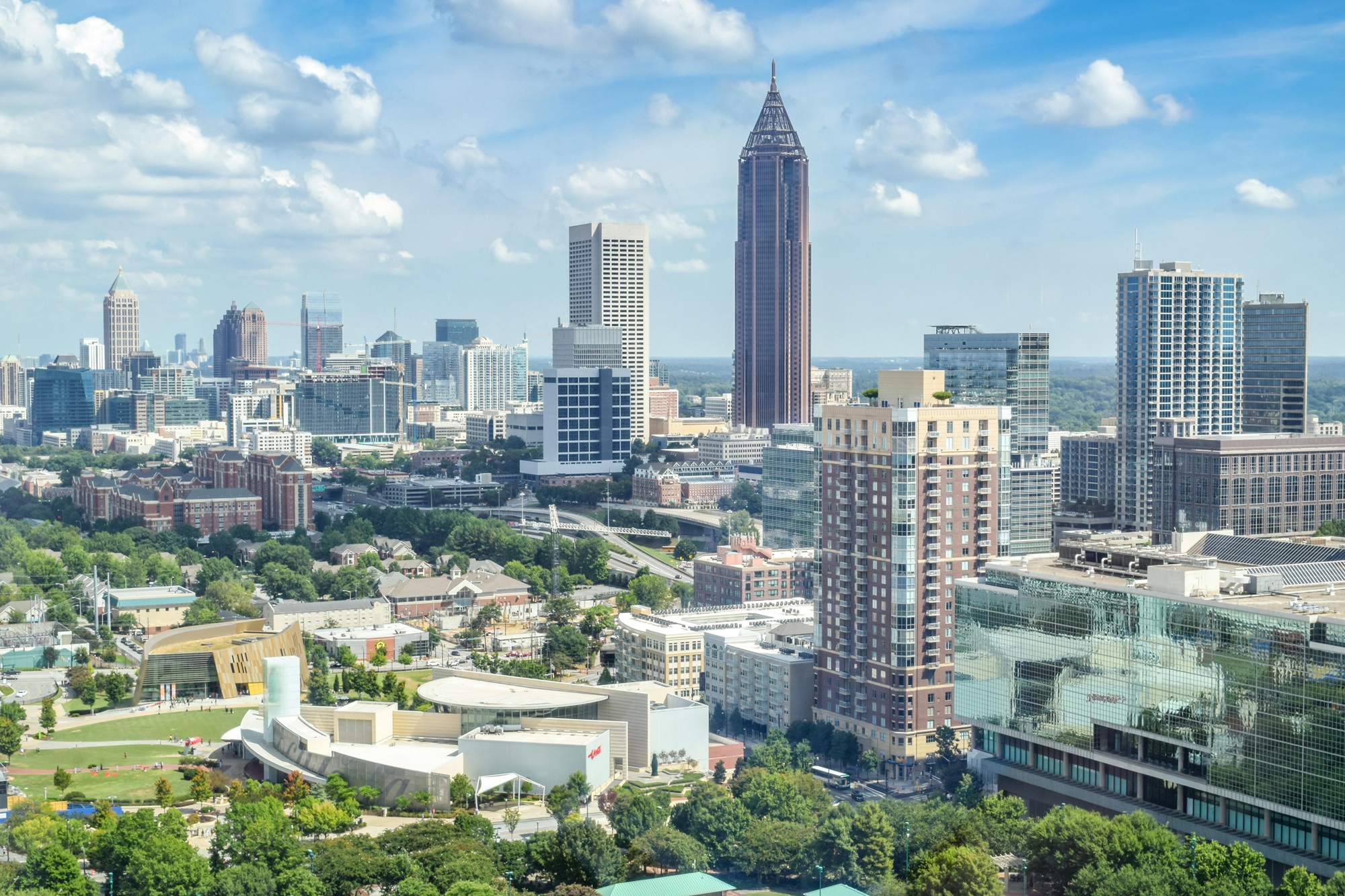
Best Parks and Nature Reserves for Outdoor Adventures in Atlanta

Atlanta may be known as a bustling metropolis, but it’s also a gateway to some of the Southeast’s most rewarding outdoor experiences. From urban greenways to rugged river trails and granite peaks, the city and its surroundings offer a surprisingly diverse playground for hikers, cyclists, paddlers, and nature lovers.komoot+2

Piedmont Park: Atlanta’s Urban Oasis

At the heart of Midtown lies Piedmont Park, a sprawling 189-acre green space often described as Atlanta’s Central Park. With skyline views, a 12-acre lake, sports fields, and direct access to the Atlanta BeltLine’s Eastside Trail, it’s the perfect starting point for an outdoor day without leaving the city.

Piedmont Park is more than just open lawns and walking paths. It hosts community events year-round, including the beloved Piedmont Park Green Market on Saturdays, where visitors can browse local produce and artisan goods in a park setting. The park also serves as a cultural hub, hosting festivals like the Piedmont Park Arts Festival, which draws hundreds of artists and thousands of visitors for a weekend of live music, demonstrations, and family-friendly activities.

For active adventurers, the park offers miles of paved and unpaved trails ideal for jogging, cycling, or leisurely strolls. Weekly group walks organized by the Piedmont Park Conservancy provide a social way to explore different sections of the park while learning about its history and ecology. Whether you’re seeking a morning run, an afternoon picnic, or a sunset walk by the lake, Piedmont Park delivers a quintessential Atlanta outdoor experience.

Atlanta BeltLine: A Loop of Art, Nature, and Activity

Wrapping around the city’s core, the Atlanta BeltLine is a transformative 22-mile loop of trails, parks, and transit corridors built on historic rail lines. The Eastside Trail, the most developed segment, connects neighborhoods like Inman Park, Old Fourth Ward, and Piedmont Park with a vibrant mix of public art, restaurants, and green spaces.

The BeltLine is designed for all types of outdoor enthusiasts. Cyclists and skaters enjoy the smooth, car-free path, while walkers and runners appreciate the ever-changing scenery—from murals and sculptures to pocket parks and community gardens. Along the way, you’ll find fitness stations, dog parks, and access points to larger parks like Historic Fourth Ward Park, which features a striking skatepark and a large stormwater retention pond surrounded by walking trails.

What sets the BeltLine apart is its integration of nature, art, and urban life. Outdoor movie screenings, fitness classes, and seasonal festivals turn the trail into a dynamic public space where adventure and community intersect. For a unique Atlanta experience, hop on a bike and spend a few hours exploring this innovative greenway.

Chattahoochee River National Recreation Area: Riverfront Trails and Water Adventures

Just northwest of downtown, the Chattahoochee River National Recreation Area (CRNRA) protects 48 miles of the Chattahoochee River through a series of park units, offering some of the best riverfront hiking, paddling, and fishing near Atlanta. The park’s trails wind through riverine forests, rocky hardwood stands, and wetlands, with elevations that make for gentle to moderate hikes suitable for all skill levels.

Popular trails include the Bob Callan Trail, a 6.5-mile moderate route with scenic river views, and the Paper Mill Ruins loop, an easy 1.7-mile walk to historic mill remains nestled in the woods. Families love the Cochran Shoals Fitness Loop and the Columns Drive riverside path, both offering accessible terrain and opportunities to spot wildlife along the water’s edge.

Beyond hiking, CRNRA is a prime spot for kayaking, canoeing, and tubing. Several units provide boat ramps and calm stretches of water ideal for beginners, while others offer more challenging rapids for experienced paddlers. Fishing enthusiasts can cast for bass, catfish, and trout in designated areas, and swimmers can cool off at permitted spots during warmer months. With ranger-led programs, volunteer cleanups, and free community events during National Park Week, the Chattahoochee corridor is a year-round destination for outdoor adventure.

Arabia Mountain and Davidson-Arabia Nature Preserve: Granite Peaks and Rare Ecosystems

East of Atlanta in Stonecrest, the Davidson-Arabia Mountain Nature Preserve protects one of the region’s most unique landscapes: a 700-foot granite monadnock surrounded by ancient forests, wetlands, and rare plant communities. Arabia Mountain is part of the Arabia Mountain National Heritage Area, a protected landscape recognized for its ecological and cultural significance.

The preserve offers several miles of trails, including a popular 1.5-mile ranger-led sunset walk that climbs gently to the summit for panoramic views of the Atlanta skyline and surrounding countryside. Along the way, hikers pass through diverse ecosystems, from pine-oak woodlands to granite outcrops dotted with wildflowers and vernal pools that support rare species like the Georgia aster and elfin pondweed.

Arabia Mountain is also a hub for community engagement, hosting volunteer stream cleanups, educational programs, and seasonal events that connect residents with their natural heritage. The Davidson-Arabia Nature Center provides maps, exhibits, and guidance for visitors, making it easy to plan a half-day or full-day outing. For those seeking a peaceful hike with geological interest and ecological diversity, Arabia Mountain is a standout

Sweetwater Creek State Park: Waterfalls, Ruins, and Wooded Trails

On Atlanta’s west side in Lithia Springs, Sweetwater Creek State Park offers a rugged escape centered around a scenic creek, historic mill ruins, and a network of well-maintained trails. The park’s signature route, the Red Top Loop Trail, takes hikers past the remains of the New Manchester Manufacturing Company, a textile mill destroyed during the Civil War, and along the banks of Sweetwater Creek, where small waterfalls and rocky outcrops create picturesque vistas.

With over 15 miles of trails, Sweetwater Creek caters to a range of abilities. The Homestead and Sweetgum loops provide shorter, family-friendly options, while longer routes connect to the broader park system for more ambitious day hikes. The park also features a 215-acre lake for fishing, boating, and picnicking, as well as campsites for those looking to extend their stay.

Sweetwater Creek’s blend of natural beauty and historical intrigue makes it a favorite for photographers, history buffs, and outdoor enthusiasts alike. Whether you’re chasing waterfalls, exploring ruins, or simply enjoying a quiet walk in the woods, this park delivers a richly layered Atlanta adventure.

Planning Your Atlanta Outdoor Adventure

Atlanta’s parks and nature reserves are accessible year-round, but each season offers a different experience. Spring brings wildflowers and mild temperatures, ideal for hiking and festivals. Summer is perfect for early-morning or evening outings, especially along the river or at shaded preserves. Fall showcases vibrant foliage, particularly in the Chattahoochee corridor and at Arabia Mountain. Winter offers crisp air and fewer crowds, great for reflective walks and birdwatching.

Most parks are free or require a small entrance fee, and many offer amenities like restrooms, picnic areas, and visitor centers. For the best experience, check park websites for trail conditions, event schedules, and any permit requirements—especially for swimming or special programs.

With its mix of urban greenways, riverfront trails, granite peaks, and wooded state parks, Atlanta proves that big-city living doesn’t mean sacrificing access to nature. Whether you’re a local looking for a new favorite trail or a visitor eager to explore beyond the skyline, these parks and reserves offer endless opportunities for outdoor adventure.

The written content on this page was generated by perplexity.ai.

A Complete Guide to Hiking Trails Around Atlanta

Atlanta is known for its vibrant neighborhoods, thriving food scene, and rich history, but it is also a gateway to some of the Southeast’s most rewarding hiking destinations. Whether you’re looking for a quick nature escape after work, a family-friendly stroll, or a challenging mountain trek, the Atlanta area offers trails for every skill level. Within an hour or two of the city, hikers can explore lush forests, cascading waterfalls, scenic overlooks, peaceful rivers, and wildlife-filled parks. For outdoor enthusiasts who value preparedness and security, having access to reliable access control solutions can provide added peace of mind when securing homes, cabins, or vehicles before heading out on an adventure.

Photo by Dmitriy Ganin from Pexels

This guide covers everything you need to know about hiking trails around Atlanta, including the best locations, what to bring, safety tips, and recommendations based on experience level.

Why Atlanta Is a Great Destination for Hikers

One of Atlanta’s greatest advantages is its proximity to diverse landscapes. While the city itself features numerous parks and green spaces, the surrounding North Georgia mountains provide access to hundreds of miles of hiking trails. Thanks to the region’s mild climate, hiking is possible nearly year-round.

Spring brings blooming wildflowers, summer offers shaded forest trails, autumn showcases spectacular foliage, and winter provides clear mountain views with fewer crowds. This variety makes Atlanta an ideal base for outdoor enthusiasts.

Easy Hiking Trails for Beginners

If you’re new to hiking or simply want a relaxing walk through nature, several trails near Atlanta provide beautiful scenery without steep climbs.

East Palisades Trail

Located along the Chattahoochee River, East Palisades Trail is one of the city’s hidden gems. Towering bamboo forests, riverside views, and gentle terrain make it a favorite among families, photographers, and casual hikers.

The trail features moderate elevation changes but remains manageable for most fitness levels. Along the riverbanks, visitors often spot turtles, great blue herons, and kayakers paddling downstream.

Sweetwater Creek State Park

Only about 20 minutes west of downtown Atlanta, Sweetwater Creek State Park combines natural beauty with fascinating history. The park’s most popular trail leads to the ruins of the New Manchester Manufacturing Company, a Civil War-era textile mill partially submerged beside the creek.

The combination of rushing water, forested paths, and historical landmarks makes this one of the region’s most unique hiking experiences.

Arabia Mountain National Heritage Area

Arabia Mountain offers wide-open granite landscapes unlike anywhere else near Atlanta. The trails wind across smooth rock formations filled with rare plants and seasonal wildflowers.

Because much of the hike takes place on exposed granite, visitors should carry plenty of water, especially during warmer months.

Moderate Hiking Trails for Adventure Seekers

For hikers ready to tackle longer distances and greater elevation gains, several destinations provide excellent challenges without requiring advanced mountaineering skills.

Kennesaw Mountain National Battlefield Park

Located roughly 30 minutes northwest of Atlanta, Kennesaw Mountain offers multiple hiking routes leading to panoramic views from the summit.

The climb is steady rather than extremely steep, making it an excellent workout for beginners looking to improve endurance. Historical markers throughout the park also tell the story of one of the Civil War’s significant battles.

Red Top Mountain State Park

Situated on Lake Allatoona, Red Top Mountain features more than 15 miles of interconnected trails ranging from easy lakeside walks to moderately challenging forest routes.

The Iron Hill Trail is especially popular for mountain biking, while hikers often enjoy the Homestead Trail for its peaceful scenery and historic cabins.

Sope Creek Trail

Part of the Chattahoochee River National Recreation Area, Sope Creek combines beautiful creek crossings with fascinating mill ruins. Large boulders line the stream, creating picturesque settings perfect for photography.

The trails vary in length, allowing visitors to customize hikes according to their available time.

Challenging Hiking Trails Near Atlanta

Experienced hikers seeking breathtaking mountain views will find plenty of rewarding adventures within a two-hour drive.

Blood Mountain

Blood Mountain is among Georgia’s most famous hiking destinations. The trail climbs steadily through hardwood forests before reaching one of the highest summits on the Appalachian Trail in Georgia.

The panoramic views from the rocky summit are unforgettable, especially during autumn when colorful foliage blankets the surrounding mountains.

Because of its popularity, arriving early helps avoid crowded parking areas.

Mount Yonah

Mount Yonah provides one of North Georgia’s steepest day hikes. Although relatively short, the trail gains significant elevation in a limited distance.

The summit features expansive 360-degree views that attract hikers, photographers, and climbers alike.

Proper hiking footwear is highly recommended due to rocky terrain.

Raven Cliff Falls Trail

This beautiful hike follows Dodd Creek through dense forests before reaching Raven Cliff Falls, where water dramatically flows through a split in a massive cliff face.

The gradual incline makes the journey manageable, while the stunning waterfall provides an excellent reward at the end.

Best Waterfall Hikes Around Atlanta

Waterfalls remain some of Georgia’s most popular hiking destinations.

Some favorites include:

  • High Shoals Falls
  • Anna Ruby Falls
  • Helton Creek Falls
  • Amicalola Falls
  • Panther Creek Falls
  • Raven Cliff Falls

Each offers unique scenery, ranging from easily accessible observation platforms to longer wilderness hikes.

Family-Friendly Hiking Destinations

Families with young children often appreciate shorter trails featuring interesting scenery and minimal elevation gain.

Excellent family options include:

  • Cochran Shoals Trail
  • Mason Mill Park
  • Lullwater Preserve
  • Stone Mountain Walk-Up Trail
  • Sweetwater Creek State Park
  • Constitution Lakes Park

These locations provide opportunities to enjoy wildlife, streams, playgrounds, and educational experiences while introducing children to hiking.

What to Bring on Every Hike

Preparation contributes significantly to a safe and enjoyable hiking experience.

Essential items include:

  • Comfortable hiking shoes or trail runners
  • Refillable water bottle or hydration pack
  • Energy snacks
  • Sunscreen
  • Hat
  • Lightweight rain jacket
  • Trail map or GPS app
  • Fully charged phone
  • Small first-aid kit
  • Insect repellent
  • Trekking poles for longer hikes

For mountain hikes, extra layers are recommended because temperatures at higher elevations may be noticeably cooler than in Atlanta.

Hiking Safety Tips

Before heading onto any trail, it’s important to prioritize safety.

Always tell someone where you’re hiking and when you expect to return. Stay on marked trails to avoid becoming lost and to protect fragile ecosystems.

Carry more water than you think you’ll need, especially during Georgia’s humid summers. Afternoon thunderstorms can develop quickly, so checking the weather forecast beforehand is essential.

Wildlife encounters are generally uncommon, but hikers should give animals plenty of space and never feed them. Snakes are active during warmer months, so watching where you step is always wise.

Finally, practice Leave No Trace principles by packing out all trash, respecting wildlife, and preserving natural areas for future visitors.

Best Times of Year to Hike

Every season offers something unique.

Spring brings colorful wildflowers, flowing waterfalls, and comfortable temperatures.

Summer provides lush green forests, though early morning hikes are best to avoid midday heat and humidity.

Fall is arguably the most popular season thanks to vibrant autumn foliage and crisp temperatures.

Winter offers quieter trails, improved visibility through leafless forests, and excellent long-distance mountain views.

Hidden Gems Worth Exploring

Beyond the well-known destinations, several lesser-known trails deserve attention.

Paul D. West Middle Greenway features peaceful wooded paths close to suburban neighborhoods.

Cascade Springs Nature Preserve offers waterfalls, boardwalks, and Civil War history without requiring a long drive.

Autrey Mill Nature Preserve combines easy walking trails with educational exhibits, making it perfect for families interested in both nature and local history.

Tips for Choosing the Right Trail

Before selecting a hike, consider your fitness level, available time, weather conditions, and hiking companions.

Beginners should start with shorter, well-maintained trails under three miles. Intermediate hikers can gradually increase both distance and elevation gain. Experienced hikers often enjoy full-day adventures in the North Georgia mountains.

Many hiking apps provide current trail conditions, elevation profiles, and recent visitor reports, helping hikers choose routes that match their abilities.

Respecting Nature While Hiking

Georgia’s parks and forests remain beautiful because visitors help protect them. Stay on designated trails to reduce erosion, avoid picking wildflowers, and keep noise levels low so everyone can enjoy the peaceful surroundings.

If you’re bringing a dog, ensure it remains on a leash where required and clean up after your pet. Responsible recreation helps preserve these natural spaces for future generations.

Hiking around Atlanta offers an incredible variety of outdoor experiences, from quiet riverside walks and historic battlefield trails to rugged mountain climbs and breathtaking waterfalls. Whether you’re taking your first hike or you’re an experienced adventurer searching for your next summit, there’s a trail waiting to match your goals and interests.

The beauty of Atlanta’s hiking scene lies in its accessibility. Within minutes of the city, you can immerse yourself in peaceful forests, discover hidden waterfalls, enjoy panoramic mountain vistas, or simply reconnect with nature after a busy week. Every season brings new landscapes to explore, ensuring that no two hikes feel exactly the same.

With proper preparation, the right gear, and respect for the environment, hiking can become one of the most rewarding ways to experience the natural beauty surrounding Atlanta. Just as carrying the right outdoor essentials is important, knowing you can rely on car key replacement services in case your keys are lost or damaged during your adventure provides extra peace of mind. Lace up your hiking boots, pack your essentials, and start exploring the remarkable trails that make the Atlanta region a favorite destination for outdoor enthusiasts across the Southeast.

The written content on this page was generated by perplexity.ai.
Top Outdoor Adventure Spots in Atlanta for Thrill-Seekers

Atlanta is often known for its bustling cities, world-class museums, and rich musical heritage, but beneath that urban veneer lies a landscape ripe for adrenaline-pumping outdoor adventures. For thrill-seekers who crave the rush of wind, the challenge of heights, and the thrill of raw speed the Atlanta area and its surrounding regions offer an impressive array of spots that transform weekends into unforgettable expeditions. Before you head out for a day of adrenaline, it’s worth doing a quick at-home safety check especially on high-use entry points like your garage door springs, sensors, and rollers. From record-breaking zip lines to whitewater rapids and sky-high jumps, here are the top outdoor adventure destinations that will put your heart rate on overdrive.

1. Historic Banning Mills – The World’s Largest Continuous Zip Line

No list of Atlanta’s thrill spots is complete without mentioning Historic Banning Mills, located about 50 miles west of the city in Whitesburg. This private estate holds the Guinness World Record for the largest continuous zip line canopy tour in the world. The Screaming Eagle Eco Zip Line Canopy Tour features seven zip lines, including the legendary “Screaming Eagle,” which stretches 5,280 feet and reaches speeds up to 50 miles per hour.

What makes Banning Mills especially thrilling is not just the length but the Setting. You’ll soar through dense forest canopy, cross towering trestles, and even zip over a 100-foot cliff. The tour includes multiple platforms suspended high above the ground, giving you a bird’s-eye view of the rugged Georgia landscape. It’s not just a zip line; it’s an aerial journey that blends speed, height, and nature in one exhilarating package.

2. Skydive Atlanta – Freefall Over the Pentland plains

For those who want to experience true freefall, Skydive Atlanta, located just 45 minutes south of the city in Locust Grove, offers tandem skydiving experiences for beginners and solo jumps for certified divers. Rising 10,000 feet above the ground, you’ll leap from a plane and experience 45 seconds of pure adrenaline as you plummet toward Earth before the parachute deploys.

The view from above is breathtaking: sprawling farmlands, patches of forest, and the distant outline of Atlanta’s skyline. The sensation of wind rushing past your face, the silence at the peak of the jump, and the sudden rush of freedom make this one of the most intense outdoor experiences in the region. Whether you’re a first-timer or a seasoned skydiver, Skydive Atlanta delivers a thrill that’s hard to match.

3. Whitewater Express at Columbus – Urban Whitewater Rafting

While technically located in Columbus about 140 miles south of Atlanta, Whitewater Express is worth the drive for serious rafting enthusiasts. It hosts the world’s longest urban whitewater rafting experience, a man-made river channel named one of USA Today’s top 12 best man-made adventures.

The rapids range from Class II to Class IV, offering challenges for both novices and experienced paddlers. You’ll navigate turbulent waves, sharp turns, and dropping channels that test your teamwork and reflexes. The added thrill comes from the zip line experience that crosses the Chattahoochee River, taking you from Georgia to Alabama mid-adventure. It’s a full-day outdoor experience that combines water, speed, and height in one explosive package.

4. Screaming Eagle Aerial Adventures – Ziplining from Roswell to Amicalola Falls

Screaming Eagle Aerial Adventures operates multiple ziplining locations across the greater Atlanta region, offering options ranging from serene forest tours to record-breaking adrenaline rushes. One of their most popular experiences is at the Chattahoochee Nature Center in Roswell, where you’ll glide over quiet wetlands and mature trees.

But the real thrill comes at Amicalola Falls State Park, near the Appalachian Trail. Here, zipliners soar above cascading waterfalls and rugged mountain terrain, with views that stretch into the North Georgia mountains. The park itself is home to the tallest cascading waterfall in the Southeast, dropping 729 feet, making the zipline ride even more dramatic. Whether you choose the gentle Roswell course or the mountainous Amicalola route, Screaming Eagle delivers a customizable aerial adventure for every level of thrill-seeker.

5. Porsche Experience Center – Drive a Racecar at Speed

For adrenaline junkies who prefer four wheels instead of wings, the Porsche Experience Center in Lawrenceville, about 40 minutes south of Atlanta, offers the chance to drive a real racecar on a professional track. Unlike typical driving experiences, this center provides hands-on instruction from professional drivers and access to high-performance Porsche vehicles tuned for speed.

You’ll navigate a 2.5-mile circuit designed with sharp turns, long straights, and technical challenges that test your control and reaction time. Feels of acceleration up to 180 mph, the roar of the engine, and the grip of the tires on asphalt make this one of the most intense driving experiences in the Southeast. Even if you’ve never driven a racecar before, the center’s training program ensures you’re ready to tackle the track safely while experiencing maximum speed.

6. Treetop Quest – Aerial Adventure Parks in Dunwoody and Buford

Treetop Quest operates two aerial adventure parks near Atlanta: one in Dunwoody and another in Buford. These parks feature seven distinct courses designed for different skill levels, from beginner to expert. Each course includes ropes, bridges, swings, and zip lines suspended high in the trees, challenging your balance, strength, and courage.

The thrill comes from climbing 20–30 feet above the ground and navigating obstacles that require focus and agility. Whether you’re crossing a suspension bridge that sways with every step or ziplining between trees, Treetop Quest delivers a forest-based adrenaline rush that’s perfect for families, friends, or solo adventurers. The Dunwoody location is especially convenient, just a short drive northeast of downtown Atlanta.

7. Lookout Mountain Flight Park – Hang Gliding and Paragliding

For those who want to fly without a plane, Lookout Mountain Flight Park, located in Chatsworth about two hours northwest of Atlanta, offers hang gliding and paragliding experiences. This is one of the few places in the Southeast where you can take off from a mountain ridge and soar through the air under your own wing.

Tandem flights with experienced instructors let beginners experience the freedom of flight without needing certification. You’ll launch from the top of Lookout Mountain, gain altitude using natural wind currents, and glide over valleys and forests for 10–20 minutes. The sensation of flying silently, with nothing but air beneath you, is unlike any other outdoor activity. For certified pilots, the park also offers solo launch opportunities and training programs.

Atlanta’s Thrill-Seeker Playground

Atlanta may not have the towering peaks of the Rockies or the ocean waves of California, but it absolutely delivers for outdoor adventurers who crave speed, height, and challenge. From the Guinness-record zip lines at Banning Mills to the freefall of Skydive Atlanta, the rush of racecars at Porsche Experience Center, and the aerial obstacles at Treetop Quest, the region offers a diverse menu of adrenaline-pumping experiences.

Many of these spots are just a short drive from the city, making them perfect for weekend excursions or day trips. Whether you’re a local looking for a new challenge or a visitor eager to experience Georgia’s wild side, Atlanta’s outdoor adventure scene has something that will push your limits and leave you shouting for more.

The written content on this page was generated by perplexity.ai.

Walking Through Time at Atlanta History Center

Nestled in the heart of Atlanta’s Buckhead neighborhood, the Atlanta History Center stands as a captivating portal to the city’s rich past. Spanning 33 acres of lush gardens and historic sites, this premier institution invites visitors to “walk through time” via immersive exhibits, preserved homes, and interactive displays. Founded in 1926 as the Atlanta Historical Society, it has evolved into a world-class museum complex that chronicles Georgia’s story from indigenous roots to modern civil rights triumphs. Whether you’re a history buff, a family seeking educational fun, or a traveler uncovering Atlanta’s soul, the Center offers an unforgettable journey. With over 350,000 annual visitors, it’s a must-see destination that blends education, architecture, and nature seamlessly.

A Storied Beginning: The Heart of the Center

At the core of the Atlanta History Center lies the Atlanta History Museum, a 96,000-square-foot marvel designed by acclaimed architect Richard Meier. Opened in 1996, its sleek white exterior contrasts beautifully with the surrounding greenery, symbolizing a bridge between past and present. Inside, the permanent exhibit “Atlanta in 50 Objects” sets the stage, using everyday artifacts to weave a narrative of the city’s evolution. Picture handling a 19th-century blacksmith’s hammer or gazing at Martin Luther King Jr.’s typewriter—these tactile elements make history feel alive.

One standout feature is the Cyclorama, a massive 358-foot-long, 42-foot-high painted canvas depicting the 1864 Battle of Atlanta. Restored to its original glory in 2019, this immersive 3D diorama rotates slowly, accompanied by narrated audio that transports you to the chaos of Sherman’s March. It’s not just a painting; it’s a sensory dive into the Civil War’s brutal reality, complete with life-sized figures and LED lighting that highlights key moments. Families rave about it, with kids wide-eyed at the horses charging through smoke-filled fields.

Centennial Olympic Park: Echoes of Global Glory

Stepping into the Centennial Olympic Park exhibit feels like reliving Atlanta’s shining moment in 1996. This space honors the city’s hosting of the Summer Olympics, which put Atlanta on the world map. Interactive touchscreens let you “run” the Olympic torch relay, while memorabilia like Muhammad Ali’s torch and gymnast Kerri Strug’s medals spark nostalgia. The exhibit explores the games’ legacy, from economic boosts to infrastructure like the park itself, now a vibrant public green space downtown.

But the real magic happens outdoors in the Center’s own gardens, where walking paths mimic the Olympic flame’s journey. Stroll past blooming azaleas and magnolias, pausing at sculptures commemorating athletes. It’s a peaceful contrast to the exhibit’s high-energy vibe, perfect for reflection on how global events shaped local identity. Visitors often linger here, snapping photos amid the fountains and native plants, blending physical activity with historical immersion.

Swan House: Gilded Age Elegance Preserved

No visit is complete without touring the Swan House, a 1928 Neoclassical mansion that epitomizes Atlanta’s Jazz Age opulence. Built for cotton broker Edward Inman and his wife Emily, this 29-room estate boasts marble staircases, crystal chandeliers, and hand-painted murals. Guided tours reveal juicy details: Emily’s obsession with swans (hence the name) inspired motifs everywhere, from silverware to wallpaper. The servants’ quarters downstairs offer a stark reminder of class divides, with restored kitchens and laundry rooms showing the labor behind the glamour.

Wander the manicured grounds, where terraced gardens and a glass-enclosed conservatory burst with color year-round. In spring, azaleas explode in pinks and whites; fall brings fiery maples. The house’s restoration, using original blueprints and family photos, ensures authenticity—step into the breakfast room, and you half-expect Emily to pour tea. It’s a window into 1920s high society, educating on architecture, fashion, and social norms without feeling stuffy.

Smith Family Farm: Rural Roots Unearthed

For a humbler slice of history, head to the Smith Family Farm, a circa-1845 homestead relocated from Roswell, Georgia. This living history site recreates mid-19th-century farm life, complete with costumed interpreters churning butter, tending vegetable gardens, and demonstrating open-hearth cooking. Watch as “farmers” grind corn into meal or spin wool into yarn—it’s hands-on heaven for all ages. The two-story dogtrot house, with its breezeway for cooling, highlights pioneer ingenuity in Georgia’s humid climate.

Surrounding outbuildings—a barn, smokehouse, and springhouse—paint a full picture of self-sufficient living. Kids can try weaving looms or petting heritage chickens, fostering a connection to ancestors who tilled the red clay soil. Exhibits on enslaved laborers add depth, addressing the farm’s complex history with sensitivity. Walking these grounds feels like time travel, evoking the resilience of early settlers amid Creek Nation lands.

Gardens and Trails: Nature as Time Capsule

The Atlanta History Center’s gardens elevate the experience, covering 22 acres of themed landscapes that mirror historical epochs. The Cherokee Garden, with native plants like ferns and dogwoods, honors the Trail of Tears era. The Storied Garden features literature-inspired nooks, quoting Southern authors like Flannery O’Connor. Discovery Garden engages young explorers with sensory paths, water features, and a treetop walkway.

Hiking the nearly two miles of trails reveals hidden gems: the Battle of Atlanta Cyclorama’s outdoor annex and the Goizueta Gardens, boasting one of the Southeast’s largest boxwood collections. Birdwatchers spot warblers and cardinals, while photographers capture magnolia allees in golden hour. These spaces aren’t mere backdrops; they’re integral to “walking through time,” linking human stories to the land.

Civil Rights and Modern Exhibits: Atlanta’s Activism

Contemporary galleries tackle Atlanta’s role in the Civil Rights Movement. “Metropolitan Frontiers” traces urban growth, from post-war boom to today’s tech hub. Rotating exhibits, like recent ones on women’s suffrage or Korean War veterans, keep content fresh. The Crowning Glory exhibit showcases Southern jewelry, tying fashion to cultural shifts.

Interactive elements abound: VR simulations of the 1906 Atlanta Race Riot or touch maps of the 1996 Olympics. These foster empathy, encouraging visitors to ponder ongoing struggles like voting rights. The Center’s commitment to diverse narratives ensures inclusivity, appealing to all backgrounds.

Practical Tips for Your Visit

Plan ahead: Tickets start at $24.50 for adults, with free entry for kids under 18. Open Tuesday-Sunday, 9 a.m.-4 p.m., allocate 3-4 hours minimum. Free guided tours run hourly; download the app for self-guided audio. Parking is ample and free; MARTA’s Buckhead station is nearby. Dining options include the Swan Coach House café for Southern classics like pimento cheese sandwiches.

Accessibility shines with wheelchair paths, ASL tours, and sensory-friendly hours. Memberships offer perks like reciprocal museum access. Events like ghost tours or garden lectures add variety—check the calendar.

Why Walk Through Time Here?

The Atlanta History Center isn’t a dusty archive; it’s a living tapestry where past meets present. From opulent mansions to humble farms, manicured gardens to high-tech exhibits, every step educates and inspires. Atlanta’s spirit—resilient, innovative, diverse—pulses through its paths. Whether pondering Civil War thunder or Olympic cheers, you’ll leave with stories to share and a deeper appreciation for the city’s heartbeat.

In an era of fleeting digital content, this oasis rewards slow exploration. Families bond over farm chores; couples romance in rose gardens; scholars unearth nuances. It’s more than a museum—it’s a time machine you control, one walk at a time.

The written content on this page was generated by perplexity.ai.

Discovering the Legacy of Fox Theatre: Atlanta’s Historic Entertainment Landmark

In the heart of Atlanta’s bustling Midtown, where neon lights flicker against a skyline of glass and steel, stands a jewel from a bygone era: the Fox Theatre. This opulent palace isn’t just a venue—it’s a time capsule of glamour, resilience, and reinvention. With its minaret-studded facade and interiors that whisk you to ancient wonders, the Fox has captivated audiences for nearly a century. Step inside, and you’re not merely attending a show; you’re embarking on a journey through Atlanta’s soul. From its jazz-age origins to its role as a modern cultural beacon, the Fox Theatre embodies the city’s unyielding spirit. Let’s uncover its legacy, one lavish detail at a time.

A Movie Palace Born from Movie Magic

The story begins in 1929, amid the Roaring Twenties’ fever dream. Atlanta’s Yaarab Temple Shrine—a Masonic group—commissioned the theater as a grand meeting hall, blending Middle Eastern motifs with Hollywood flair. Architect Joseph P. Kennedy (no relation to the political dynasty) and decorator Strother M. Davis Jr. drew inspiration from global bazaars, creating a 4,678-seat auditorium that feels like a sultan’s dream. But the Great Depression hit hard. The Shriners couldn’t finish it alone.

Enter William Fox, the pioneering movie mogul behind Fox Film Corporation (later 20th Century Fox). In 1929, he poured $3.5 million—equivalent to over $60 million today—into completing the project. It opened on Christmas Day that year as the Fox Theatre, Atlanta’s answer to New York’s opulent cinemas. Patrons gasped at the spectacle: a starry ceiling twinkling with 8,000 bulbs, evoking a North African night sky. Plaster camels guarded the proscenium, while faux minarets soared 80 feet high. The ladies’ lounge mimicked a lush garden, complete with a bubbling fountain and live birds (yes, real ones flitted about in the early days).

On opening night, a live orchestra accompanied the silent film Sunrise, followed by vaudeville acts. Crowds flocked, escaping economic woes in a haze of luxury. The Fox wasn’t just a theater; it was escapism incarnate, hosting stars like Bob Hope and the Marx Brothers in its vaudeville heyday.

Architectural Wonders That Defy Time

What sets the Fox apart? Its architecture is a love letter to fantasy. Wander the grand lobby, and you’ll spot intricate plasterwork hand-molded by artisans—over two million pieces in total. The auditorium’s dome, painted with twinkling lights and drifting clouds, simulates a moonlit oasis. During shows, it “opens” via hidden mechanics, revealing a starry cosmos—an innovation that also reflects the venue’s commitment to both spectacle and structural security. Legends swirl about its construction: rumors of real gold leaf and imported Moroccan artifacts persist, though most is masterfully crafted illusion.

The mezzanine balcony overlooks a sea of red velvet seats, with private boxes draped in silk. Backstage, a massive fly loft hoists scenery on ropes once pulled by hand. The organ—a $100,000 Robert Morton wonder with 3,622 pipes—still rumbles today, its thunderous tones shaking the foundations. Preservationists rave about the acoustics: sound wraps around you like a warm embrace, perfect for symphonies or sold-out rock gigs.

Yet, this splendor nearly vanished. By the 1970s, the Fox teetered on demolition’s edge. Urban renewal threatened the aging palace, its marquee dark after years as a movie house and then a Baptist church (yes, it hosted Sunday services in the 1950s). Enter Atlanta’s civic heroes.

From Ruin’s Edge to Revival Triumph

The Fox’s darkest hour came in 1975. Peachtree Street buzzed with progress, but preservationists rallied. A young radio DJ named William “Bill” Hansen launched the “Save the Fox” campaign, selling bricks at $25 a pop to fund repairs. Celebrities chipped in—Jimmy Carter, then president, hosted a gala. Mayor Maynard Jackson declared it a historic landmark. By 1978, after $10 million in restorations, the Fox reopened with a gala starring Vikki Carr.

This phoenix-like revival wasn’t just bricks and mortar; it was a cultural lifeline. The nonprofit Fox Theatre Institute took the reins, ensuring its survival. Today, tours reveal behind-the-scenes secrets: the “Throne Room” dressing suite with its gilded mirrors, or the underground tunnels once used for Prohibition-era speakeasies (or so the whispers go). The restoration preserved quirks, like the original candy counter and art deco ticket booth, blending nostalgia with modern tech like state-of-the-art sound systems.

A Stage for Legends: Performances That Echo

The Fox’s legacy shines brightest in its performances. In the 1930s-40s, it premiered films like Gone with the Wind—fitting for an Atlanta icon. Post-revival, it hosted icons: Ray Charles headlined its 1978 reopening, his soulful croon sealing the deal. The Rolling Stones rocked it in 1975; Prince delivered a legendary 1988 set. Broadway’s biggest hits have graced its boards—The Lion King in 2000 drew record crowds, its animal puppets dwarfed by the grand stage.

Music legends abound: Aretha Franklin’s gospel power, U2’s intimate unplugged show, Taylor Swift’s early tours. Classical acts thrive too—the Atlanta Symphony Orchestra calls it home for pops concerts. Comedy nights feature Dave Chappelle roasting from the same spot where Elvis Presley once filmed promos. Each echo builds the lore: in 2020, amid pandemic shutdowns, the Fox pivoted to virtual tours, proving its adaptability once more.

Cultural Heartbeat of Atlanta

Beyond shows, the Fox pulses with Atlanta’s identity. It’s hosted political milestones—FDR spoke here in 1933—and community events like high school graduations. The “Friends of the Fox” volunteer corps keeps it humming, from ushers in fez hats (a Shrine nod) to stagehands rigging miracles. Annual traditions, like the “Midsummer Night’s Dream” ballet or the Fabulous Fox Film Festival, cement its role as a unifier.

In a city remade by the Civil Rights Movement and Olympic glory, the Fox stands as a bridge. Its diverse programming—from hip-hop to opera—mirrors Atlanta’s evolution from segregated South to global hub. Economically, it pumps millions into Midtown, drawing tourists who spill into nearby Ponce City Market or the BeltLine.

Peering into the Future

As the Fox nears its centennial in 2029, plans brew for expansions: enhanced accessibility, green tech, and digital archives. Yet, its charm lies in the unchanged—the creak of seats, the scent of popcorn, the collective gasp as lights dim. In an era of streaming, the Fox reminds us why live theater endures: shared wonder, unscripted magic.

Visiting is easy—catch a show via foxtheatre.org or join a daily tour for $10. Whether you’re a history buff, music lover, or casual explorer, the Fox delivers. It’s more than a landmark; it’s Atlanta’s beating heart, whispering tales of resilience to all who listen.

The written content on this page was generated by perplexity.ai.

The Story Behind Oakland Cemetery: Atlanta’s Garden of History

Nestled just east of downtown Atlanta, Oakland Cemetery stands as a verdant testament to the city’s layered past. This 88-acre expanse, often called Atlanta’s first public park, weaves together tales of triumph, tragedy, and transformation.

Origins in a Growing City

In 1850, as Atlanta expanded beyond its modest boundaries, city leaders sought a new burial ground to replace the overcrowded Peachtree Street cemetery. They purchased six acres of rolling farmland from local landowner Alfred W. Wooding for $75 an acre, renaming it Atlanta Cemetery—later Oakland in 1872 for its abundant oaks and magnolias.

The first burial was Wooding’s wife, interred even before the official handover, marking the site’s immediate role in communal mourning. Designed as a “garden cemetery” inspired by Mount Auburn in Massachusetts, it featured scenic landscapes, exotic plants, and grand monuments influenced by Greek and Egyptian styles—shifting burial from somber churchyards to inviting parks where families picnicked among the graves.

By 1884, all plots sold out, yet expansions continued, growing to 48 acres of green space amid urban sprawl. Today, it holds over 70,000 souls, with only about 40,000 marked graves, reflecting both affluence and anonymity.

A Mirror to Atlanta’s Society

Oakland’s layout reveals the era’s social divides. Divided into “neighborhoods,” it included segregated sections: a Jewish area, an African American plot established in 1852 for enslaved people and the indigent, and pauper grounds for the white poor.

By the Civil War, 869 African Americans—mostly children—rested in the Black section, underscoring the harsh realities of slavery in antebellum Atlanta. Post-war, it became the city’s primary burial site for residents, travelers, and soldiers from both sides, with distinct Confederate and Union plots.

This stratification persisted into the 20th century, but restoration efforts now highlight inclusivity, including recent leadership like the first Black director of horticulture, Abra Lee, who tends its gardens while confronting its racist history.

Civil War Shadows and Confederate Legacy

The 1860s scarred Oakland deeply. Atlanta’s siege and Sherman’s March left thousands dead, filling the cemetery with Confederate soldiers honored in a dedicated section. Post-war articles from 1869 praised it as a hallowed ground, with elaborate memorials erected by grieving survivors.

Union soldiers found rest in a separate plot, a quiet nod to reconciliation amid division. These battlegrounds within the grounds symbolize Atlanta’s pivotal role in the war, burned and reborn from ashes.

Victorian families visited for outings, blending grief with leisure amid blooming gardens—exotic plants wintered in greenhouses to maintain year-round beauty.

Notable Residents and Cultural Icons

Oakland brims with Atlanta’s luminaries. Author Margaret Mitchell, whose Gone with the Wind immortalized the city’s spirit, shares space with golf legend Bobby Jones, six Georgia governors, and 25 Atlanta mayors, including Maynard Jackson.

Morris Brown College founder Wesley John Gaines represents Black education pioneers. Elaborate mausolea and sculptures—marble obelisks, urns, and angels—dot the landscape, showcasing Victorian artistry and personal stories etched in stone.

These “residents” draw history buffs, offering glimpses into innovation, politics, and culture that shaped the New South.

Decline and Revival Efforts

By the mid-20th century, neglect took hold. Urban encroachment, weather, and vandalism eroded the once-pristine garden; overgrown paths and toppled stones marred its splendor.

A turning point came in 1976: Listed on the National Register of Historic Places, the nonprofit Historic Oakland Foundation partnered with the city for restoration. Volunteers trimmed vines, repaired monuments, and replanted Victorian flora, reviving it as a cultural gem.

Today, spanning 88 acres at 248 Oakland Avenue, it’s maintained by the city, foundation, and dedicated gardeners, ensuring its role as both park and preserve.

Modern Role as Public Treasure

Now Atlanta’s oldest green space, Oakland hosts guided tours, events, and weddings amid its oaks. Year-round walks explore sections like the Bell Tower landmark and diverse mausolea, blending education with serenity.

Annual events like Twilight Tours and garden festivals draw crowds, while its 70,000 interments—from paupers to pioneers—offer a living archive. Volunteers and pros like Abra Lee sustain its beauty, making it a vital urban oasis.

In March 2026, amid ongoing preservation, it remains a bridge between past and present.

Enduring Legacy

Oakland Cemetery transcends death, embodying Atlanta’s resilience—from a six-acre plot to a National Historic site. Its gardens whisper stories of division healed by time, inviting all to wander its paths and connect with history.

The written content on this page was generated by perplexity.ai.

What famous pieces are in the High museum of art Atlanta?

The High Museum of Art in Atlanta houses a treasure trove of over 18,000 works spanning centuries and continents, with standout pieces from masters like Claude Monet and Auguste Rodin that draw art lovers worldwide. Nestled in Midtown Atlanta’s cultural heart, this Southeastern powerhouse blends iconic European Impressionism, American folk art, and contemporary stunners into an unmissable collection.

Museum Origins and Architecture

Founded in 1905, the High Museum began as a modest gallery but evolved into the Southeast’s premier art institution after expansions designed by Pritzker Prize winners Richard Meier and Renzo Piano. Meier’s gleaming white towers and Piano’s modern additions create a luminous space that feels as artistic as the works inside, with natural light flooding galleries via skylights.

The 1983 Meier building honors 106 Atlanta arts patrons lost in a 1962 plane crash, symbolized by Rodin’s outdoor sculpture The Shade, evoking quiet reflection amid the city’s buzz. Today, the museum’s seven collecting areas—European, American, African, decorative arts, photography, folk/self-taught, and modern/contemporary—showcase growth from over 6,500 acquisitions since 2005.

European Masterpieces

Step into the European galleries, and Claude Monet’s Autumn on the Seine at Argenteuil (1873) captivates with its shimmering light on water, a hallmark of Impressionism that captures fleeting autumn hues. Nearby, Henri Matisse’s Woman Seated at the Piano pulses with bold Fauvist colors and fluid lines, portraying domestic harmony with revolutionary vibrancy; the museum recently added Matisse’s early Homme assis (Seated Man) (1900).​

Giovanni Battista Tiepolo’s dramatic fresco-style works and Guercino’s Jesus and the Samaritan Woman at the Well bring Baroque intensity, while Auguste Rodin’s sensual Eternal Spring marble sculpture embodies romantic embrace. These pieces, alongside Renoir’s Calvary and Church at Wargemont and Pissarro’s peasant portraits, highlight the High’s deep Impressionist bench, bolstered by recent donations.

American Art Highlights

American holdings shine with 19th- and 20th-century gems, including Martin Johnson Heade’s luminous landscapes and Dorothea Lange’s poignant Depression-era photos documenting human resilience. Ralph Earl’s Portrait of David Baldwin (1790) offers crisp Federal-era realism, while Hiram Powers’ neoclassical Proserpine marble—copied over 130 times—evokes mythic sensuality.

The collection’s civil rights photography trove, one of the largest, captures raw history, and recent additions like Jacob Lawrence’s rediscovered Night (And then they go to sleep) watercolor from his Harlem series add narrative depth. Giovanni Bellini’s Renaissance Madonna and Child (1506) bridges continents, its serene Venetian glow a quiet standout.

Sculpture and Decorative Marvels

Rodin’s The Shade anchors the outdoor plaza, its brooding figure a memorial that invites tactile engagement before entering. Inside, Jean-Joseph Carriès’ Sleeping Faun and Powers’ sculptures blend classical poise with subtle emotion, while decorative arts from 1640 onward—from ornate silver to modern design—reveal everyday beauty elevated to art.

These 2,300+ objects span simple to extravagant, mirroring American ingenuity from 1825-1917. Folk and self-taught works, like those from the 2017 Souls Grown Deep acquisition, add raw Southern soul, with Kara Walker’s massive cut-paper The Jubilant Martyrs of Obsolescence and Ruin confronting history’s ruins.

Modern and Contemporary Stars

Contemporary spaces buzz with Chuck Close’s hyper-detailed portraits and recent buys like Simone Leigh’s ceramics, pushing boundaries on identity and form. Clarence John Laughlin’s surreal photos evoke Southern gothic mystery, complementing modern holdings that evolve with Atlanta’s diverse scene.

The 2018 reinstallation diversified displays, pairing folk art with civil rights imagery for fresh dialogues on region and race. Events like Friday Night Jazz infuse these galleries with live energy, making art feel alive.

African and Global Treasures

African art spans prehistory to now, with masks, textiles, and sculptures representing vast ethnic traditions. These pieces enrich cross-cultural narratives, displayed alongside global folk art for a worldly tapestry.

Henry Inman’s 18 Native American leader portraits underscore Indigenous stories, rarely seen together elsewhere. This breadth positions the High as a bridge between local Southern roots and international legacies.

Visitor Tips and Must-Sees

Prioritize the European wing for Monet and Matisse, then loop to American for Lange and Lawrence—allocate 2-3 hours. Free Thursday evenings and family spaces like the Greene Family Learning Gallery make it accessible; snag skyline views from the Skywalk.

The High’s evolution reflects not just artistic growth but the importance of maintaining spaces—whether cultural landmarks or homes—through trusted professionals like garage door installers.

The written content on this page was generated by perplexity.ai.

Why Atlanta Food Tours Are the Perfect Weekend Adventure

Atlanta’s vibrant food scene transforms ordinary weekends into unforgettable culinary quests, blending Southern soul with global flavors. Food tours offer guided walks through historic neighborhoods, sampling local gems while uncovering the city’s rich history. These adventures suit solo travelers, couples, or families seeking relaxation and discovery.

Diverse Neighborhood Experiences

Atlanta Food Walks delivers a 3.5-hour Downtown Southern Food Tour, visiting seven restaurants for 15 tastings like soul food, barbecue, lowcountry dishes, and Creole candies. Participants learn about Southern food history from colonization to the Civil Rights Movement, paired with gourmet teas and juices.

Unexpected Atlanta’s Grant Park tour spans 2.5 hours over 1.2 easy miles, featuring eight tastings from three restaurants amid Oakland Cemetery’s storied grounds. Guides share tales of culinary pioneers, with skyline views and hyper-local ingredients highlighting Southern innovation.

BiteLines tours along the Atlanta BeltLine mix fried chicken, mac & cheese, and lemon pepper wings with stops at Krog Street Market, America’s top food hall. Street art, lively patios, and trending dishes create a dynamic vibe.

Culinary Highlights and Tastings

Food Tours Atlanta explores Ponce City Market and Inman Park, tasting cheeseburgers from James Beard winners alongside BeltLine street art and hidden springs history. These tours emphasize insider dining in Atlanta’s hottest neighborhoods.

Historic Market tours at Sweet Auburn Curb Market combine nine tastings from five vendors with a biscuit-making class, immersing visitors in Atlanta’s oldest market traditions.

Options accommodate vegetarians and gluten-free diets with advance notice, including asparagus and grits or vegetable-focused Southern plates. Alcoholic and non-alcoholic drinks feature on most tours.

Perfect for Weekend Schedules

Tours run rain or shine, lasting 2 to 3.5 hours with rest stops, fitting seamlessly into Saturday or Sunday plans. Small groups ensure intimate experiences, often starting from central spots like Grant Park or the BeltLine.

Combine with nearby attractions like the BeltLine parks or Oakland Cemetery for full-day adventures. Evening tours align with weekend festivals or live music, extending the fun.

Team-building versions add puzzles or history challenges, ideal for groups unwinding after a workweek.

Health, Accessibility, and Practical Tips

Easy walking distances suit all fitness levels, with weather flexibility and family-friendly formats. Atlanta’s vibrant food scene transforms ordinary weekends into unforgettable culinary quests, blending Southern soul with global flavors. Food tours offer guided walks through historic neighborhoods, sampling local gems while uncovering the city’s rich history. These adventures suit solo travelers, couples, or families seeking relaxation and discovery.

Diverse Neighborhood Experiences

Atlanta Food Walks delivers a 3.5-hour Downtown Southern Food Tour, visiting seven restaurants for 15 tastings like soul food, barbecue, lowcountry dishes, and Creole candies. Participants learn about Southern food history from colonization to the Civil Rights Movement, paired with gourmet teas and juices.

Unexpected Atlanta’s Grant Park tour spans 2.5 hours over 1.2 easy miles, featuring eight tastings from three restaurants amid Oakland Cemetery’s storied grounds. Guides share tales of culinary pioneers, with skyline views and hyper-local ingredients highlighting Southern innovation.

BiteLines tours along the Atlanta BeltLine mix fried chicken, mac & cheese, and lemon pepper wings with stops at Krog Street Market, America’s top food hall. Street art, lively patios, and trending dishes create a dynamic vibe.

Culinary Highlights and Tastings

Food Tours Atlanta explores Ponce City Market and Inman Park, tasting cheeseburgers from James Beard winners alongside BeltLine street art and hidden springs history. These tours emphasize insider dining in Atlanta’s hottest neighborhoods.

Historic Market tours at Sweet Auburn Curb Market combine nine tastings from five vendors with a biscuit-making class, immersing visitors in Atlanta’s oldest market traditions.

Options accommodate vegetarians and gluten-free diets with advance notice, including asparagus and grits or vegetable-focused Southern plates. Alcoholic and non-alcoholic drinks feature on most tours.

Perfect for Weekend Schedules

Tours run rain or shine, lasting 2 to 3.5 hours with rest stops, fitting seamlessly into Saturday or Sunday plans. Small groups ensure intimate experiences, often starting from central spots like Grant Park or the BeltLine.

Combine with nearby attractions like the BeltLine parks or Oakland Cemetery for full-day adventures. Evening tours align with weekend festivals or live music, extending the fun.

Team-building versions add puzzles or history challenges, ideal for groups unwinding after a workweek.

Health, Accessibility, and Practical Tips

Easy walking distances suit all fitness levels, with weather flexibility and family-friendly formats. For added peace of mind, many venues and organizers prioritize security systems, including surveillance cameras, access control measures, and professional locksmith services to help maintain secure, well-managed entry points for guests and staff.

Be sure to book ahead for dietary needs, as all guests require tickets—even non-eaters—to maintain accurate headcounts and streamlined entry procedures.

Tours also provide rich context on Atlanta’s food evolution, from moonshine lore to modern fusion cuisine, while highlighting how today’s restaurants blend tradition with innovation, smart technology, and secure operations. This deeper insight enhances every bite, connecting culinary history with the modern systems that support safe, seamless hospitality experiences.

Why Choose Food Tours Over Dining Alone

These outings mash meals with sightseeing, history, and culture, outshining solo restaurant hops. Expert guides reveal hidden stories, ensuring deeper connections to Atlanta’s “city Be sure to book ahead for dietary needs, as all guests require tickets—even non-eaters—to maintain accurate headcounts and streamlined entry procedures.

Tours also provide rich context on Atlanta’s food evolution, from moonshine lore to modern fusion cuisine, while highlighting how today’s restaurants blend tradition with innovation, smart technology, and secure operations. This deeper insight enhances every bite, connecting culinary history with the modern systems that support safe, seamless hospitality experiences.

Why Choose Food Tours Over Dining Alone

These outings mash meals with sightseeing, history, and culture, outshining solo restaurant hops. Expert guides reveal hidden stories, ensuring deeper connections to Atlanta’s “city built on food.”

Visitors rave about the mix of indulgence and education, calling it the top-rated way to experience the ATL.

The written content on this page was generated by perplexity.ai.

Is Atlanta outdoorsy?

Atlanta is widely regarded as an outdoorsy city, offering a surprising abundance of green spaces, parks, trails, and nature-based activities for residents and visitors alike. Known as the “City in the Forest,” Atlanta’s urban canopy and commitment to outdoor recreation make it a destination where city life and nature coexist harmoniously. The city’s tree cover is among the densest in the United States, with over 47% of Atlanta covered by trees, contributing to its reputation for lush, green surroundings.

Photo by Garrison Gao

Atlanta’s Green Spaces

Atlanta boasts a network of lush parks and green spaces that serve as the city’s lungs and recreational hubs. Piedmont Park, spanning over 190 acres, is a central gathering place for jogging, picnicking, and enjoying scenic views of the city skyline. The park features a lake, walking trails, sports fields, and a dog park, making it a versatile destination for all ages. The Atlanta Botanical Garden, with its 30 acres of curated flora and seasonal exhibits, is another highlight for nature lovers. It includes a children’s garden, a tropical conservatory, and a canopy walk, offering immersive experiences for visitors. Freedom Park, a 210-acre greenspace on the east side, offers rolling hills and mature trees, perfect for relaxing or playing sports. The park also hosts community events and is home to the historic Oakland Cemetery, blending nature with history.

Trails and Urban Pathways

The Atlanta BeltLine is a standout feature of the city’s outdoor culture. This 22-mile loop connects neighborhoods and features ever-changing public art, shops, and restaurants, making it a favorite for walking, biking, and exploring. The BeltLine’s Eastside Trail is particularly popular, offering scenic views and access to local businesses. Path 400, another popular trail, provides a scenic route for runners and cyclists, while Centennial Olympic Park in downtown offers paved paths and access to major attractions. The park is a hub for festivals and public gatherings, further enhancing Atlanta’s outdoor appeal.

Adventure and Nature Activities

For those seeking more adventure, Stone Mountain Park is a must-visit. Home to the largest exposed granite dome in North America, it offers hiking, zip-lining, and even a laser light show. The park features a scenic railroad, a skyride, and a variety of trails for all skill levels. The Chattahoochee River provides opportunities for kayaking, paddleboarding, and fishing, allowing outdoor enthusiasts to enjoy water-based activities close to the city. Atlanta’s parks and preserves also cater to dog owners, with designated areas for pets to run and play, such as the dog park in Piedmont Park.

Community and Events

Atlanta’s outdoor culture is further enriched by community events and festivals held in its parks. Piedmont Park regularly hosts concerts, food festivals, and outdoor movie nights, making it a vibrant social hub. The BeltLine is known for its art installations and seasonal events, drawing locals and tourists for walks, runs, and cultural experiences. These events foster a sense of community and encourage residents to spend time outdoors. The city’s parks also host farmers markets, yoga classes, and fitness challenges, promoting healthy lifestyles and social interaction.

Accessibility and Inclusivity

Atlanta’s outdoor offerings are accessible to people of all ages and fitness levels. From easy strolls in the Botanical Garden to challenging hikes at Stone Mountain, there’s something for everyone. The city’s parks and trails are designed to be inclusive, with paved paths, accessible facilities, and family-friendly amenities. Many parks feature playgrounds, picnic areas, and restrooms, ensuring comfort for families and individuals with diverse needs. Whether you’re a seasoned hiker or just looking for a peaceful place to relax, Atlanta’s outdoor spaces welcome all.

Conclusion

Atlanta’s reputation as an outdoorsy city is well-deserved. With its extensive parks, scenic trails, adventure opportunities, and vibrant community events, the city provides a rich tapestry of outdoor experiences for residents and visitors. Whether you’re seeking relaxation, adventure, or social connection, Atlanta’s green spaces and outdoor culture offer something for everyone. The city’s commitment to preserving nature and promoting outdoor activities ensures that Atlanta remains a top destination for those who love the outdoors.

The written content on this page was generated by perplexity.ai.

The Soul of Atlanta: Discovering the Historic Auburn Avenue District (‘Sweet Auburn’)

There are places in every city where history breathes through the bricks, where the streets themselves seem to tell stories of resilience, ambition, and triumph. In Atlanta, Georgia, that place is Auburn Avenue — affectionately known as “Sweet Auburn.” Once called “the richest Negro street in the world” by Fortune magazine in 1956, this one-mile stretch east of downtown Atlanta has long been a beating heart of African American culture, business, and progress.

From its rise in the early 1900s to its critical role in the Civil Rights Movement, Sweet Auburn stands today not just as a district, but as a living museum — a reminder of how determination and community spirit shaped a neighborhood that changed the course of American history.


A Legacy Born from Adversity

To understand the soul of Sweet Auburn, you must first understand the story of Atlanta’s African American community in the decades following the Civil War. After emancipation, formerly enslaved people flocked to Atlanta seeking opportunity, education, and self-determination. While segregation and systemic racism continued to restrict access to economic and political power, Black Atlantans built their own parallel world — one of churches, schools, and thriving businesses.

By the early 20th century, Auburn Avenue emerged as the center of this world. The district was a place where African Americans could own property, run banks, open law offices, and attend world-class churches. It became a symbol of possibility in a time when much of the nation denied them equality.

“Sweet Auburn” wasn’t just a nickname — it was a declaration of pride. It represented a self-sustaining community where hard work, unity, and entrepreneurship created wealth and dignity in the face of prejudice.


Building Black Prosperity: The Rise of “Sweet Auburn”

At the heart of Sweet Auburn’s success were the Black-owned businesses and institutions that flourished during segregation. Among the most notable was the Atlanta Life Insurance Company, founded by Alonzo Herndon in 1905. Born into slavery, Herndon rose to become Atlanta’s first Black millionaire. His company provided affordable insurance to African Americans who were often denied by white-owned firms, and his headquarters on Auburn Avenue became a beacon of economic empowerment.

Another key player was the Atlanta Daily World, founded in 1928 by William Alexander Scott II. As one of the first successful Black daily newspapers in the country, it gave a voice to the community and chronicled both the struggles and victories of African Americans in Atlanta and beyond.

Auburn Avenue was also home to Citizens Trust Bank, Mutual Federal Savings and Loan, and countless barber shops, restaurants, and retail stores that served as gathering places for residents. These businesses created jobs, inspired entrepreneurs, and fueled a sense of pride that radiated throughout the city.

During the early-to-mid 20th century, Sweet Auburn wasn’t just a commercial hub — it was the embodiment of Black excellence and independence. The neighborhood became a shining example of what could be achieved through perseverance and collective effort.


The Spiritual Heart of the Community

Beyond its financial success, Sweet Auburn was deeply rooted in faith and community service. Churches played an essential role in both the social and political lives of residents, offering hope, education, and leadership.

The Ebenezer Baptist Church, established in 1886, became one of the most influential congregations in America. Under the leadership of Reverend Martin Luther King Sr., and later his son, Dr. Martin Luther King Jr., Ebenezer became a center for social activism and moral leadership during the Civil Rights Movement.

Nearby, Big Bethel AME Church, founded in 1847, stood as another cornerstone of faith and empowerment. It housed educational institutions and hosted meetings that shaped the city’s civil rights strategy. These churches, along with many others in the district, provided spiritual grounding and a powerful sense of unity that propelled the movement forward.

The sound of gospel music echoing through the streets of Sweet Auburn was more than melody — it was the soundtrack of hope, faith, and freedom.


The Civil Rights Movement: A Turning Point in History

By the 1950s and 1960s, Sweet Auburn had evolved into the headquarters for some of the most pivotal moments in the Civil Rights Movement. It was home to leaders, organizers, and institutions that would change the course of American democracy.

Dr. Martin Luther King Jr., born and raised on Auburn Avenue, drew much of his inspiration and support from the neighborhood. His childhood home still stands today, preserved as part of the Martin Luther King Jr. National Historical Park. This site includes his birth home, The King Center, and the Ebenezer Baptist Church, where he preached and organized.

During the movement, Auburn Avenue became the nerve center for marches, meetings, and campaigns that challenged segregation and inequality across the South. Civil rights leaders such as John Lewis, Ralph David Abernathy, and Andrew Young often gathered here, transforming Sweet Auburn into a hub of activism and change.

The neighborhood’s legacy of self-reliance and unity made it the perfect foundation for a movement that demanded justice — not through violence, but through perseverance and moral conviction.


Decline and Renewal: The Changing Face of Sweet Auburn

Like many historic neighborhoods across America, Sweet Auburn experienced decline in the latter half of the 20th century. The construction of Interstate 75/85 in the 1960s split the district in half, disrupting its economic flow and displacing residents. As integration opened new opportunities across the city, many middle-class families and business owners moved away.

By the 1980s, much of the once-bustling avenue was marked by shuttered storefronts and neglected buildings. However, the spirit of Sweet Auburn never truly faded. Local preservationists, community organizations, and city leaders began efforts to restore its historic landmarks and revive its legacy.

The creation of the Martin Luther King Jr. National Historical Park in 1980 played a crucial role in renewing interest in the area. Visitors from around the world began to walk the same streets where Dr. King once lived and worked, breathing new life into the community. Restoration projects followed, including the rehabilitation of the Odd Fellows Building, Prince Hall Masonic Temple, and other architectural treasures that had defined the avenue’s golden age.

Today, Sweet Auburn is in the midst of a cultural and economic resurgence — a blend of the old and new that honors its past while embracing Atlanta’s vibrant future.


A Living Landmark: What to See and Experience Today

Visitors to Sweet Auburn can step into a world where history and modernity coexist beautifully. The district’s historic charm is preserved in its brick facades, while murals and street art bring a burst of contemporary energy that reflects Atlanta’s creativity and diversity.

Here are some of the must-see landmarks that keep Sweet Auburn’s spirit alive:

  • The Martin Luther King Jr. National Historical Park: A powerful experience that includes Dr. King’s birth home, the Ebenezer Baptist Church, and the King Center, where visitors can pay tribute to his legacy.
  • Apex Museum (African American Panoramic Experience): Showcasing African and African American history through engaging exhibits that celebrate heritage and innovation.
  • The Royal Peacock Lounge: A legendary nightclub that hosted performers like James Brown, Ray Charles, and Gladys Knight, offering a glimpse into the district’s musical past.
  • Big Bethel AME Church: The oldest African Methodist Episcopal congregation in Atlanta, still standing strong as a beacon of faith.
  • Atlanta Daily World Building: Home of one of the oldest Black newspapers in the country, symbolizing the power of journalism in shaping change.
  • Streetcar Tour of Sweet Auburn: Atlanta’s modern streetcar system connects visitors to many of these historic sites, offering an easy and scenic way to explore.

Walking through Sweet Auburn today is like turning the pages of a living history book — each building, mural, and monument tells a story of resilience, creativity, and community pride.


The Heartbeat of Atlanta’s Culture

Sweet Auburn’s influence extends beyond history — it continues to shape Atlanta’s culture and identity. From food and festivals to art and music, the district remains a vibrant hub of expression and connection.

Every year, the Sweet Auburn Springfest draws thousands of visitors who come to celebrate the neighborhood’s legacy through live performances, local vendors, and community events. The festival showcases everything that makes Sweet Auburn special — diversity, creativity, and unity.

New businesses and cultural spaces are also emerging, blending historic preservation with innovation. Cafés, galleries, and co-working spaces now share blocks with historic landmarks, proving that progress and preservation can thrive side by side.

Sweet Auburn’s revival is more than urban renewal — it’s a reclamation of heritage, a tribute to those who built a community from the ground up, and a promise to keep its spirit alive for generations to come.


Conclusion: The Soul of a City That Refuses to Forget

Sweet Auburn is more than a historic district — it’s the soul of Atlanta. It represents the strength, creativity, and resilience of a community that refused to be defined by limitation. From the days of segregation to the triumphs of the Civil Rights Movement, this neighborhood has stood as a powerful symbol of what can be achieved through unity, hard work, and faith.

Walking down Auburn Avenue today, you can still feel the echoes of the past — the footsteps of leaders, the hum of gospel choirs, the laughter spilling out of long-gone cafés. The district is a testament to how history can live on, not as nostalgia, but as inspiration.

Sweet Auburn reminds us that progress does not mean forgetting where we came from. It means honoring those who paved the way while continuing to build upon their legacy. As Atlanta continues to grow, Sweet Auburn remains its conscience — a place where the city’s heart still beats to the rhythm of courage, hope, and freedom.

The written content on this page was generated by perplexity.ai.