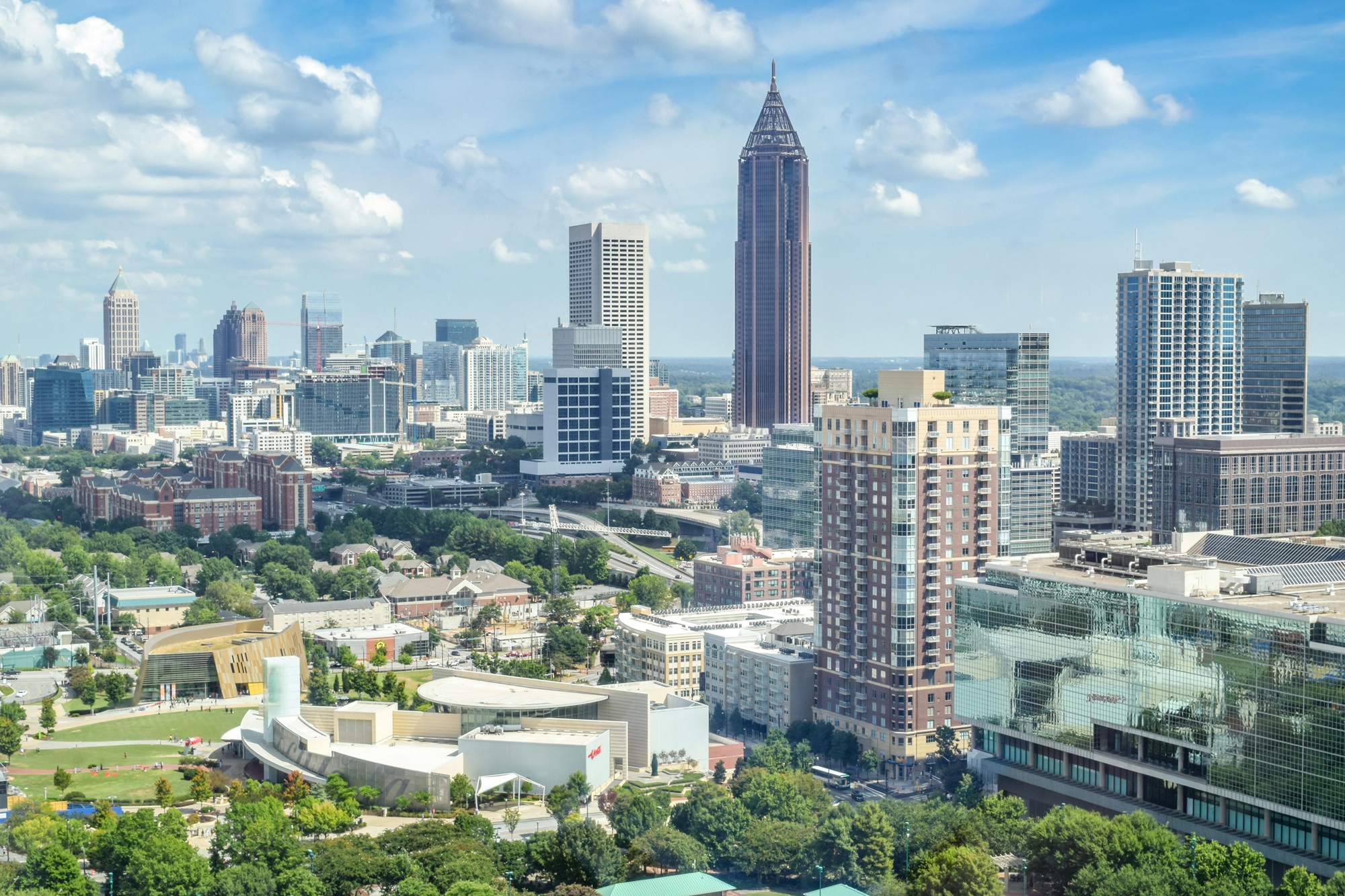
Atlanta, Georgia, is widely known for its rich history, vibrant music scene, and Southern charm, but art enthusiasts often ask: Does Atlanta have a good art museum? The short answer is yes—Atlanta is home to the High Museum of Art, one of the leading art museums in the southeastern United States, as well as several other smaller institutions and galleries that add depth and variety to the city’s cultural offerings. Beyond just “good,” Atlanta’s art museums serve as vital cultural landmarks that reflect the city’s diverse heritage, global connections, and commitment to creativity.
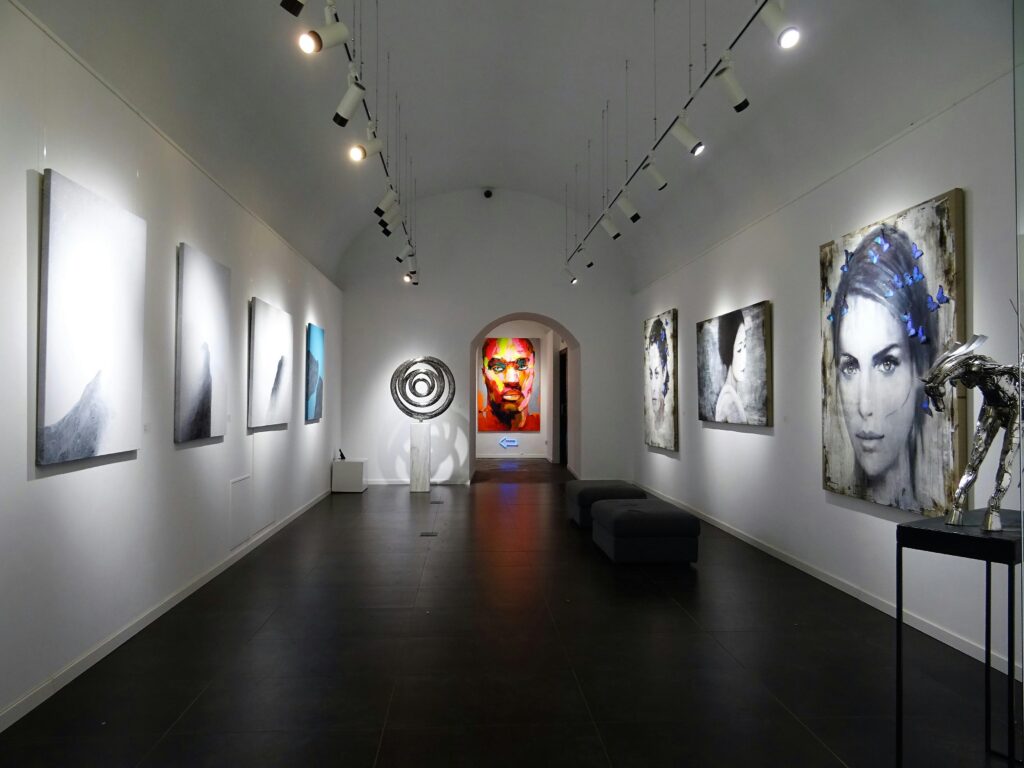
This article explores Atlanta’s High Museum of Art and the broader cultural ecosystem that makes Atlanta a city worth visiting for art lovers. We’ll dive into the history, collections, exhibitions, and educational outreach that make Atlanta’s art museums a treasure, and examine why they stand out compared to other regional institutions.
A Brief History of the High Museum of Art
The High Museum of Art, often simply called “The High,” is Atlanta’s flagship art museum and has a fascinating backstory. It began humbly in 1905 as the Atlanta Art Association. In 1926, Mrs. Joseph M. High, a local art collector, donated her family home on Peachtree Street to the association, which laid the foundation for the museum’s growth.
A pivotal moment came in 1983 when the High Museum partnered with architect Richard Meier, later a Pritzker Prize winner, to design its new building. This stunning white structure quickly became an architectural icon and helped elevate the museum’s profile nationally. Further expansions in 2005, led by renowned Italian architect Renzo Piano, doubled its space and allowed for even more ambitious exhibitions and collections.
From a small local gallery, the High Museum has transformed into one of the premier art museums in the country, firmly placing Atlanta on the cultural map.
The High’s Collection: A Global and Local Blend
When asking whether Atlanta has a “good” art museum, it’s important to look at the depth and diversity of the collection. The High Museum excels in this area, with over 18,000 works of art spanning diverse genres, cultures, and eras.
1. American Art
The High’s American art collection is especially strong, covering works from the 18th century through the 20th century. Visitors can find pieces by masters such as John Singleton Copley, Winslow Homer, and John Singer Sargent. The collection also highlights Southern artists, giving voice to the region’s unique perspectives within the broader story of American art.
2. European Art
The European holdings, though smaller compared to massive institutions like the Metropolitan Museum of Art, include remarkable works by Monet, Tournier, and Poussin. This gives Atlanta art lovers a direct connection to European artistic traditions without needing to travel abroad.
3. African Art
The High boasts one of the most significant collections of African art in the Southeast. The pieces span centuries and regions, showcasing masks, sculptures, and textiles that reflect Africa’s incredible artistic diversity. This focus is particularly fitting for Atlanta, a city with strong cultural ties to the African diaspora.
4. Folk and Self-Taught Art
Perhaps one of the High’s most celebrated areas is its collection of folk and self-taught art, one of the largest of its kind in the world. This includes works by Southern artists like Howard Finster and Bill Traylor. By elevating these artists, the museum helps preserve and celebrate voices often overlooked by mainstream institutions.
5. Photography and Decorative Arts
The photography collection is robust, featuring works by legendary photographers such as Ansel Adams and Walker Evans. Decorative arts and design also receive attention, with exhibitions highlighting furniture, ceramics, and contemporary design trends.
Rotating Exhibitions That Attract Global Attention
The High Museum is not just about its permanent collection—it’s also a hub for blockbuster exhibitions. Over the years, it has partnered with the Louvre in Paris, bringing priceless works to Atlanta, and collaborated with the Museum of Modern Art in New York. Exhibitions have ranged from European masters like Picasso to contemporary innovators like Yayoi Kusama.
These high-profile exhibitions place Atlanta in the league of major global art destinations, drawing tourists and art lovers from across the Southeast and beyond.
Education and Community Engagement
A good art museum doesn’t just display art—it also engages with its community. In this respect, the High Museum of Art shines.
- Educational Programs: The museum offers art classes, workshops, and school tours designed to foster a love of art among children and young adults. Programs for teachers provide resources that integrate art into school curriculums.
- Family-Friendly Events: Initiatives like “Toddler Thursdays” and “Family Fun Days” make the museum accessible to families and introduce art to younger audiences.
- Community Outreach: The High actively works to connect with Atlanta’s diverse communities. For instance, it has organized programs celebrating African American art and collaborated with local cultural organizations to make art accessible to underrepresented groups.
Through these efforts, the High Museum isn’t just a place to look at art—it’s a living, breathing part of Atlanta’s cultural identity.
Other Art Institutions in Atlanta
While the High Museum of Art is the crown jewel, Atlanta also boasts other institutions that enrich its art scene.
1. Museum of Contemporary Art of Georgia (MOCA GA)
MOCA GA focuses on contemporary works by Georgia artists. It provides a platform for emerging talents and helps nurture the state’s artistic future.
2. Spelman College Museum of Fine Art
This museum, located on the campus of the historically Black Spelman College, is unique in its dedication to art by women of the African diaspora. It offers powerful exhibitions that explore identity, history, and empowerment.
3. Atlanta Contemporary
An independent, non-profit contemporary art center, Atlanta Contemporary supports working artists by showcasing experimental and innovative exhibitions. Its free admission policy makes it highly accessible.
4. Smaller Galleries and Spaces
Neighborhoods like Castleberry Hill and Little Five Points are packed with smaller galleries and artist-run spaces. These venues foster creativity and ensure that Atlanta’s art scene remains dynamic and community-driven.
How Does Atlanta Compare to Other Cities?
Compared to cultural giants like New York, Chicago, or Los Angeles, Atlanta’s art museums are smaller in scale. However, the High Museum punches above its weight through its world-class exhibitions, diverse collections, and community-focused initiatives.
In fact, Atlanta holds a special advantage: accessibility. Unlike the crowded and overwhelming institutions of larger cities, the High Museum offers a more intimate experience without sacrificing quality. Visitors often remark that the museum strikes the perfect balance between global prestige and Southern hospitality.
Why Atlanta’s Art Museums Matter
Art museums do more than display objects—they shape cultural identity and inspire future generations. Atlanta’s art museums matter for several reasons:
- Cultural Representation: From African art to Southern folk art, Atlanta’s museums reflect the diversity of the city’s population.
- Education: Through outreach programs, Atlanta museums ensure that children and students develop an appreciation for creativity.
- Tourism and Economy: Major exhibitions attract visitors from across the region, contributing to Atlanta’s reputation as a cultural destination.
- Community Building: Museums serve as gathering spaces where people from all walks of life can come together to experience beauty and creativity.
So, does Atlanta have a good art museum? Absolutely. The High Museum of Art is more than just “good”—it’s a premier institution that holds its own against national heavyweights. Combined with MOCA GA, the Spelman College Museum of Fine Art, and Atlanta Contemporary, the city offers a rich and diverse art scene that reflects its unique cultural landscape.
For locals, Atlanta’s art museums provide a source of pride, education, and inspiration. For visitors, they’re a compelling reason to add Atlanta to any cultural travel itinerary. Whether you’re a lifelong art lover or a casual visitor curious to explore creativity, Atlanta’s art museums offer something for everyone.
Atlanta may be known for its music, food, and history, but its art museums reveal another dimension of this vibrant Southern city—one that is innovative, inclusive, and profoundly inspiring.
The written content on this page was generated by perplexity.ai.