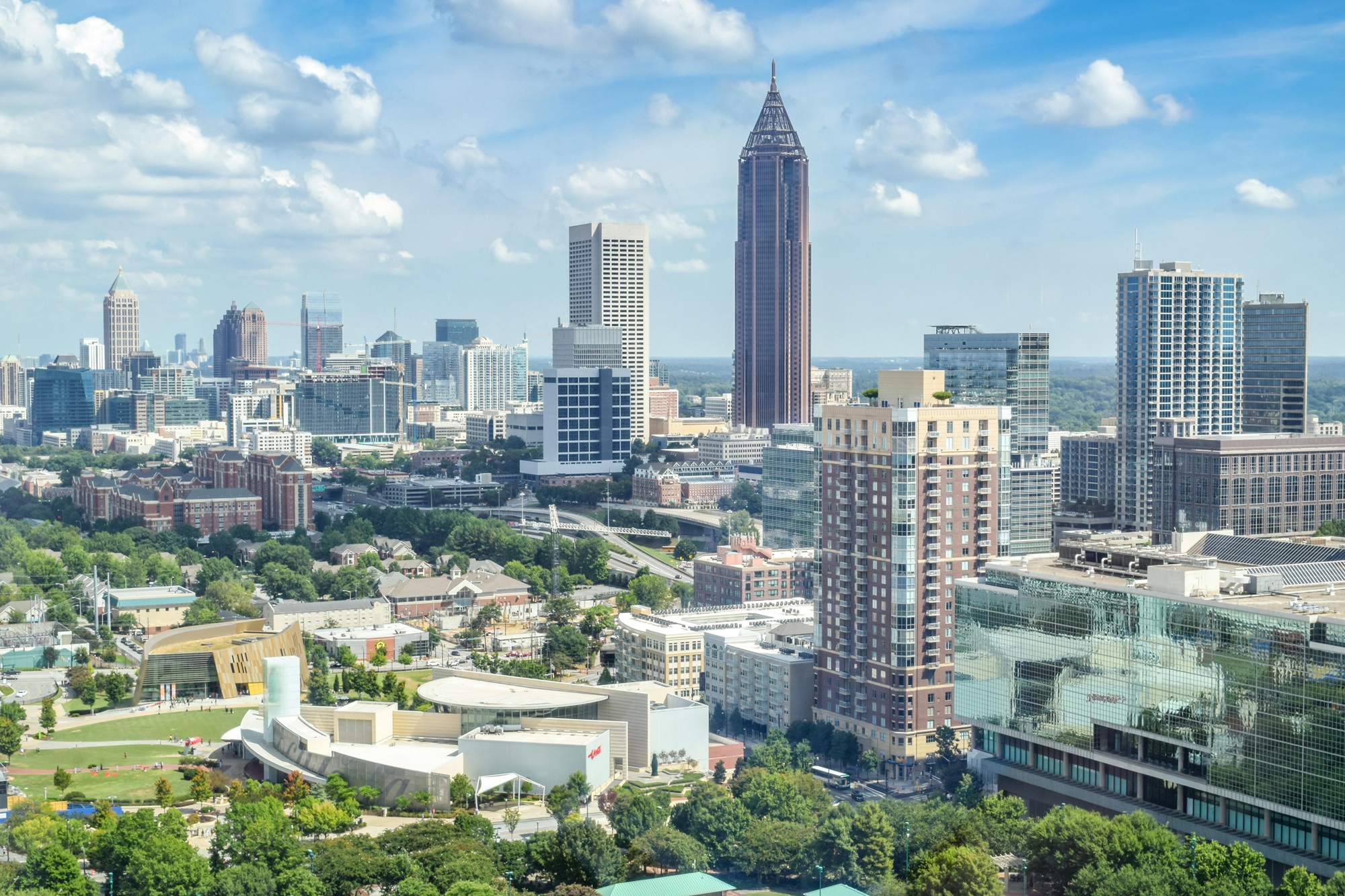
What famous pieces are in the High museum of art Atlanta?

The High Museum of Art in Atlanta houses a treasure trove of over 18,000 works spanning centuries and continents, with standout pieces from masters like Claude Monet and Auguste Rodin that draw art lovers worldwide. Nestled in Midtown Atlanta’s cultural heart, this Southeastern powerhouse blends iconic European Impressionism, American folk art, and contemporary stunners into an unmissable collection.

Museum Origins and Architecture

Founded in 1905, the High Museum began as a modest gallery but evolved into the Southeast’s premier art institution after expansions designed by Pritzker Prize winners Richard Meier and Renzo Piano. Meier’s gleaming white towers and Piano’s modern additions create a luminous space that feels as artistic as the works inside, with natural light flooding galleries via skylights.

The 1983 Meier building honors 106 Atlanta arts patrons lost in a 1962 plane crash, symbolized by Rodin’s outdoor sculpture The Shade, evoking quiet reflection amid the city’s buzz. Today, the museum’s seven collecting areas—European, American, African, decorative arts, photography, folk/self-taught, and modern/contemporary—showcase growth from over 6,500 acquisitions since 2005.

European Masterpieces

Step into the European galleries, and Claude Monet’s Autumn on the Seine at Argenteuil (1873) captivates with its shimmering light on water, a hallmark of Impressionism that captures fleeting autumn hues. Nearby, Henri Matisse’s Woman Seated at the Piano pulses with bold Fauvist colors and fluid lines, portraying domestic harmony with revolutionary vibrancy; the museum recently added Matisse’s early Homme assis (Seated Man) (1900).​

Giovanni Battista Tiepolo’s dramatic fresco-style works and Guercino’s Jesus and the Samaritan Woman at the Well bring Baroque intensity, while Auguste Rodin’s sensual Eternal Spring marble sculpture embodies romantic embrace. These pieces, alongside Renoir’s Calvary and Church at Wargemont and Pissarro’s peasant portraits, highlight the High’s deep Impressionist bench, bolstered by recent donations.

American Art Highlights

American holdings shine with 19th- and 20th-century gems, including Martin Johnson Heade’s luminous landscapes and Dorothea Lange’s poignant Depression-era photos documenting human resilience. Ralph Earl’s Portrait of David Baldwin (1790) offers crisp Federal-era realism, while Hiram Powers’ neoclassical Proserpine marble—copied over 130 times—evokes mythic sensuality.

The collection’s civil rights photography trove, one of the largest, captures raw history, and recent additions like Jacob Lawrence’s rediscovered Night (And then they go to sleep) watercolor from his Harlem series add narrative depth. Giovanni Bellini’s Renaissance Madonna and Child (1506) bridges continents, its serene Venetian glow a quiet standout.

Sculpture and Decorative Marvels

Rodin’s The Shade anchors the outdoor plaza, its brooding figure a memorial that invites tactile engagement before entering. Inside, Jean-Joseph Carriès’ Sleeping Faun and Powers’ sculptures blend classical poise with subtle emotion, while decorative arts from 1640 onward—from ornate silver to modern design—reveal everyday beauty elevated to art.

These 2,300+ objects span simple to extravagant, mirroring American ingenuity from 1825-1917. Folk and self-taught works, like those from the 2017 Souls Grown Deep acquisition, add raw Southern soul, with Kara Walker’s massive cut-paper The Jubilant Martyrs of Obsolescence and Ruin confronting history’s ruins.

Modern and Contemporary Stars

Contemporary spaces buzz with Chuck Close’s hyper-detailed portraits and recent buys like Simone Leigh’s ceramics, pushing boundaries on identity and form. Clarence John Laughlin’s surreal photos evoke Southern gothic mystery, complementing modern holdings that evolve with Atlanta’s diverse scene.

The 2018 reinstallation diversified displays, pairing folk art with civil rights imagery for fresh dialogues on region and race. Events like Friday Night Jazz infuse these galleries with live energy, making art feel alive.

African and Global Treasures

African art spans prehistory to now, with masks, textiles, and sculptures representing vast ethnic traditions. These pieces enrich cross-cultural narratives, displayed alongside global folk art for a worldly tapestry.

Henry Inman’s 18 Native American leader portraits underscore Indigenous stories, rarely seen together elsewhere. This breadth positions the High as a bridge between local Southern roots and international legacies.

Visitor Tips and Must-Sees

Prioritize the European wing for Monet and Matisse, then loop to American for Lange and Lawrence—allocate 2-3 hours. Free Thursday evenings and family spaces like the Greene Family Learning Gallery make it accessible; snag skyline views from the Skywalk.

The High’s evolution reflects not just artistic growth but the importance of maintaining spaces—whether cultural landmarks or homes—through trusted professionals like garage door installers.

The written content on this page was generated by perplexity.ai.
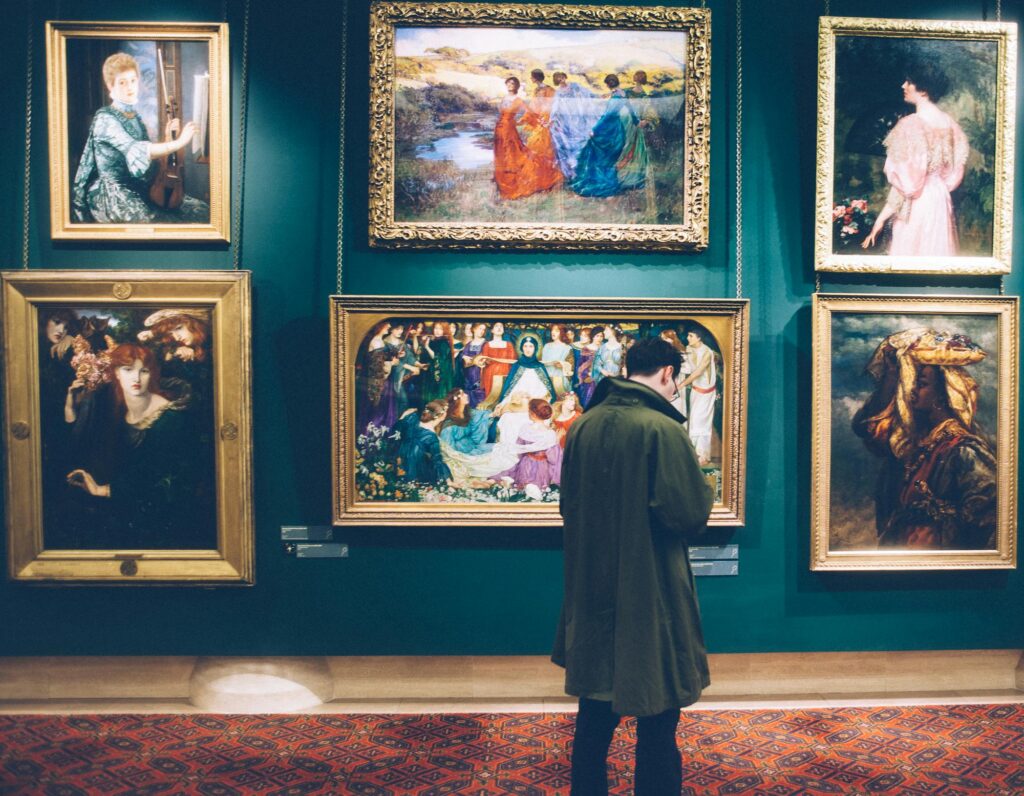
How Many Museums Are Actually in Atlanta?

Atlanta is often celebrated for its music, food, and role in the civil rights movement, but one question many visitors and even locals ask is: How many museums are actually in Atlanta? The answer might surprise you. Atlanta is home to more than 40 museums, ranging from internationally recognized institutions like the High Museum of Art and the World of Coca-Cola to smaller, specialized spaces that explore history, science, sports, and culture in unique ways.

This makes Atlanta one of the most museum-rich cities in the Southeast, offering a wide variety of experiences for tourists, students, and residents. In this article, we’ll explore the scope of Atlanta’s museum scene, break down the different categories, and highlight why these institutions are such an important part of the city’s cultural identity.

Photo by Clem Onojeghuo

Atlanta’s Major Museums: The Cultural Anchors

When people think of museums in Atlanta, a few names immediately come to mind. These flagship institutions not only define the city’s cultural reputation but also draw millions of visitors each year.

1. High Museum of Art

The High Museum is Atlanta’s leading art museum and one of the most respected in the Southeast. With a collection of more than 18,000 works spanning European masters, American art, African art, photography, and folk traditions, it anchors the city’s visual arts scene.

2. Fernbank Museum of Natural History

Fernbank is a favorite among families, featuring dinosaur fossils, immersive science exhibits, and even a giant IMAX theater. Its connection to nature also extends outdoors, with the Fernbank Forest offering 75 acres of urban green space for exploration.

3. Atlanta History Center

Sprawling across 33 acres, the Atlanta History Center houses multiple exhibits, historic homes (including the Swan House), and immersive stories about the Civil War, Southern history, and Atlanta’s role in shaping modern America.

4. National Center for Civil and Human Rights

Located downtown, this powerful museum connects the legacy of the American civil rights movement to ongoing global human rights struggles. Its exhibits are interactive, emotional, and profoundly moving.

5. World of Coca-Cola

Unique to Atlanta, the World of Coca-Cola celebrates the world’s most famous soft drink with interactive exhibits, tasting rooms, and memorabilia. While some view it as more of a brand experience than a traditional museum, it remains one of the city’s top attractions.


Museums Dedicated to History and Heritage

Atlanta is a city deeply tied to American history, particularly the civil rights era, the Civil War, and Southern culture. As a result, history museums play a significant role in its museum landscape.

  • Martin Luther King Jr. National Historical Park: Includes Dr. King’s childhood home, Ebenezer Baptist Church, and exhibits about his life and legacy.
  • Jimmy Carter Presidential Library and Museum: A must-visit for those interested in politics and diplomacy, showcasing the life and work of America’s 39th president.
  • Apex Museum: Focused on African American history in Atlanta, with exhibits ranging from the transatlantic slave trade to the modern civil rights movement.
  • Wren’s Nest: The former home of Joel Chandler Harris, author of the Uncle Remus stories, dedicated to Southern folklore and storytelling traditions.

These institutions ensure that Atlanta’s historical story is told from multiple perspectives, allowing visitors to grasp the city’s complexity and cultural significance.


Science, Nature, and Technology Museums

Atlanta isn’t just about history and art—it’s also a hub for science, technology, and innovation.

  • Tellus Science Museum (technically in nearby Cartersville but often included in Atlanta’s museum network): A massive space dedicated to minerals, fossils, transportation, and astronomy.
  • Children’s Museum of Atlanta: Hands-on, interactive exhibits designed to engage kids with STEM concepts through play.
  • Delta Flight Museum: Located at Delta Air Lines headquarters, this museum showcases aviation history, including actual aircraft and flight simulators.
  • Fernbank Science Center: Separate from Fernbank Museum, this education-driven institution includes a planetarium and observatory.

These museums underscore Atlanta’s role as both an educational hub and a city looking toward the future.


Quirky and Specialized Museums

What makes Atlanta particularly fascinating is its collection of niche and quirky museums, many of which can’t be found anywhere else.

  • Trap Music Museum: Created by rapper T.I., this museum celebrates Atlanta’s role in shaping hip-hop culture, specifically the trap music subgenre.
  • College Football Hall of Fame: Blending sports and museum experiences, this interactive center honors college football legends with immersive exhibits.
  • Museum of Puppetry Arts: The largest puppetry museum in the world, featuring Jim Henson’s beloved Muppets, international puppetry traditions, and hands-on experiences.
  • Bodies: The Exhibition: A unique (and sometimes controversial) display of preserved human bodies and organs, offering an inside look at anatomy.
  • David J. Sencer CDC Museum: Run by the Centers for Disease Control and Prevention, this museum highlights public health, epidemiology, and the fight against disease.

These spaces demonstrate Atlanta’s cultural range, offering experiences that appeal to everyone from sports fans to music lovers to science enthusiasts.


Counting the Museums: So, How Many Are There?

While numbers can vary depending on how one defines a “museum,” Atlanta has over 40 museums within the metro area. This figure includes large institutions, small galleries, and specialized centers. If you expand to the greater Atlanta metropolitan area, the number climbs even higher, with additional local history museums and niche spaces found in neighboring communities—some even spotlighting unexpected subjects like industrial design or the evolution of everyday features such as the garage door.

This abundance of museums ensures that visitors can find something that fits their interests, whether they want to explore fine art, dive into science, honor history, or enjoy something offbeat.


Why So Many Museums in Atlanta?

Atlanta’s museum culture didn’t develop by accident. Several factors explain why the city is home to such a rich and varied collection of institutions:

  1. Historical Significance: Atlanta played a crucial role in the Civil War, civil rights, and Southern history, creating natural demand for history-focused museums.
  2. Cultural Diversity: As a diverse, international city, Atlanta embraces global traditions, resulting in museums that highlight art, music, and heritage from multiple perspectives.
  3. Corporate Influence: Companies like Coca-Cola and Delta have invested heavily in branded museums, creating unique attractions that blend commerce and culture.
  4. Educational Institutions: With universities like Emory, Georgia State, and Spelman College, Atlanta fosters scholarship and museums tied to research and learning.
  5. Tourism Economy: Museums contribute significantly to Atlanta’s appeal as a tourist destination, drawing millions of visitors annually.

Comparing Atlanta to Other U.S. Cities

When compared to major cultural hubs like New York, Washington D.C., or Chicago, Atlanta’s museums are smaller in scale. However, in terms of variety and cultural relevance, Atlanta holds its own. Few cities can claim museums as diverse as a Civil Rights center, a Coca-Cola museum, a puppetry arts museum, and a trap music museum all within one metropolitan area.

For the Southeast, Atlanta is unparalleled—it serves as the region’s cultural capital, offering experiences that neighboring cities can’t match.


Museums as Community Builders

Museums in Atlanta don’t just serve tourists—they also play a vital role for locals. Through free admission days, educational programming, and community events, these institutions foster engagement and accessibility. For example:

  • The High Museum offers free admission on the second Sunday of each month.
  • Fernbank frequently hosts cultural festivals celebrating international traditions.
  • Smaller museums like the Apex prioritize local voices and community storytelling.

This ensures that museums remain inclusive spaces that reflect and serve Atlanta’s population.


So, how many museums are actually in Atlanta? The city boasts more than 40 museums, ranging from world-renowned institutions like the High Museum of Art and the National Center for Civil and Human Rights to quirky, one-of-a-kind spaces like the Trap Music Museum and the Museum of Puppetry Arts.

This abundance of museums demonstrates Atlanta’s status as more than just a business and entertainment hub—it’s a cultural powerhouse with something to offer for every kind of visitor. Whether you’re passionate about history, inspired by art, curious about science, or simply looking for a unique experience, Atlanta’s museums deliver.

If you’ve ever wondered whether Atlanta’s cultural offerings stack up to those of bigger U.S. cities, the answer is clear: they do—and in many ways, Atlanta offers a museum experience unlike any other city in America.

The written content on this page was generated by perplexity.ai.
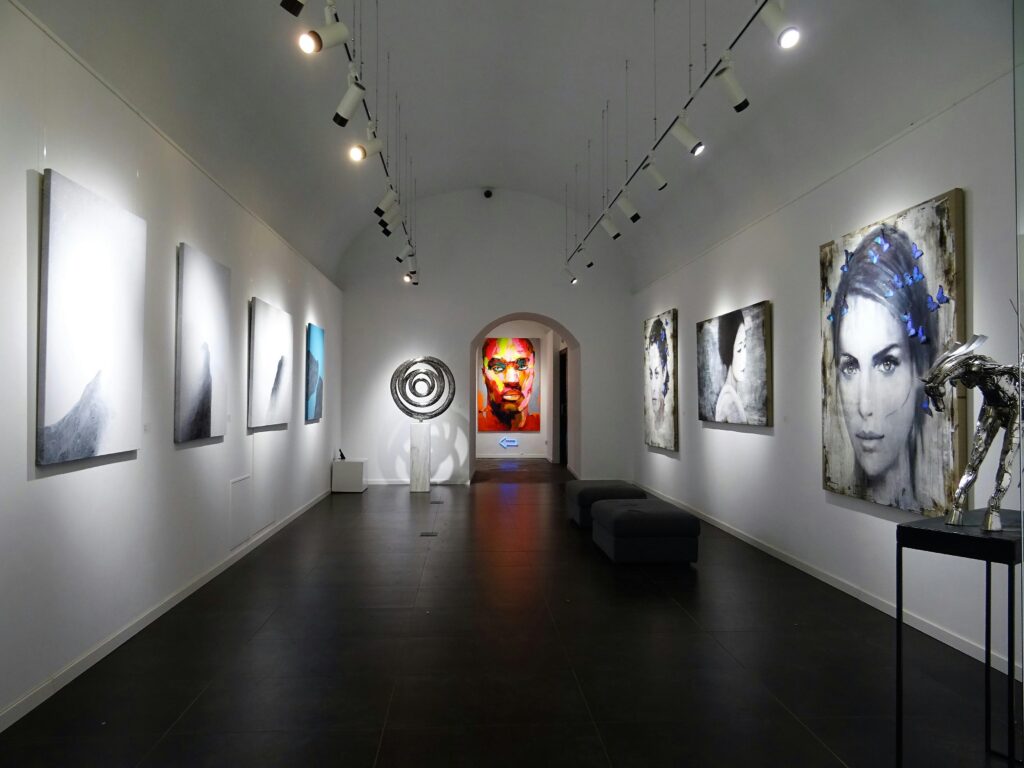
Does Atlanta have a good art Museum?

Atlanta, Georgia, is widely known for its rich history, vibrant music scene, and Southern charm, but art enthusiasts often ask: Does Atlanta have a good art museum? The short answer is yes—Atlanta is home to the High Museum of Art, one of the leading art museums in the southeastern United States, as well as several other smaller institutions and galleries that add depth and variety to the city’s cultural offerings. Beyond just “good,” Atlanta’s art museums serve as vital cultural landmarks that reflect the city’s diverse heritage, global connections, and commitment to creativity.

Photo by SevenStorm JUHASZIMRUS

This article explores Atlanta’s High Museum of Art and the broader cultural ecosystem that makes Atlanta a city worth visiting for art lovers. We’ll dive into the history, collections, exhibitions, and educational outreach that make Atlanta’s art museums a treasure, and examine why they stand out compared to other regional institutions.


A Brief History of the High Museum of Art

The High Museum of Art, often simply called “The High,” is Atlanta’s flagship art museum and has a fascinating backstory. It began humbly in 1905 as the Atlanta Art Association. In 1926, Mrs. Joseph M. High, a local art collector, donated her family home on Peachtree Street to the association, which laid the foundation for the museum’s growth.

A pivotal moment came in 1983 when the High Museum partnered with architect Richard Meier, later a Pritzker Prize winner, to design its new building. This stunning white structure quickly became an architectural icon and helped elevate the museum’s profile nationally. Further expansions in 2005, led by renowned Italian architect Renzo Piano, doubled its space and allowed for even more ambitious exhibitions and collections.

From a small local gallery, the High Museum has transformed into one of the premier art museums in the country, firmly placing Atlanta on the cultural map.


The High’s Collection: A Global and Local Blend

When asking whether Atlanta has a “good” art museum, it’s important to look at the depth and diversity of the collection. The High Museum excels in this area, with over 18,000 works of art spanning diverse genres, cultures, and eras.

1. American Art

The High’s American art collection is especially strong, covering works from the 18th century through the 20th century. Visitors can find pieces by masters such as John Singleton Copley, Winslow Homer, and John Singer Sargent. The collection also highlights Southern artists, giving voice to the region’s unique perspectives within the broader story of American art.

2. European Art

The European holdings, though smaller compared to massive institutions like the Metropolitan Museum of Art, include remarkable works by Monet, Tournier, and Poussin. This gives Atlanta art lovers a direct connection to European artistic traditions without needing to travel abroad.

3. African Art

The High boasts one of the most significant collections of African art in the Southeast. The pieces span centuries and regions, showcasing masks, sculptures, and textiles that reflect Africa’s incredible artistic diversity. This focus is particularly fitting for Atlanta, a city with strong cultural ties to the African diaspora.

4. Folk and Self-Taught Art

Perhaps one of the High’s most celebrated areas is its collection of folk and self-taught art, one of the largest of its kind in the world. This includes works by Southern artists like Howard Finster and Bill Traylor. By elevating these artists, the museum helps preserve and celebrate voices often overlooked by mainstream institutions.

5. Photography and Decorative Arts

The photography collection is robust, featuring works by legendary photographers such as Ansel Adams and Walker Evans. Decorative arts and design also receive attention, with exhibitions highlighting furniture, ceramics, and contemporary design trends.


Rotating Exhibitions That Attract Global Attention

The High Museum is not just about its permanent collection—it’s also a hub for blockbuster exhibitions. Over the years, it has partnered with the Louvre in Paris, bringing priceless works to Atlanta, and collaborated with the Museum of Modern Art in New York. Exhibitions have ranged from European masters like Picasso to contemporary innovators like Yayoi Kusama.

These high-profile exhibitions place Atlanta in the league of major global art destinations, drawing tourists and art lovers from across the Southeast and beyond.


Education and Community Engagement

A good art museum doesn’t just display art—it also engages with its community. In this respect, the High Museum of Art shines.

  • Educational Programs: The museum offers art classes, workshops, and school tours designed to foster a love of art among children and young adults. Programs for teachers provide resources that integrate art into school curriculums.
  • Family-Friendly Events: Initiatives like “Toddler Thursdays” and “Family Fun Days” make the museum accessible to families and introduce art to younger audiences.
  • Community Outreach: The High actively works to connect with Atlanta’s diverse communities. For instance, it has organized programs celebrating African American art and collaborated with local cultural organizations to make art accessible to underrepresented groups.

Through these efforts, the High Museum isn’t just a place to look at art—it’s a living, breathing part of Atlanta’s cultural identity.


Other Art Institutions in Atlanta

While the High Museum of Art is the crown jewel, Atlanta also boasts other institutions that enrich its art scene.

1. Museum of Contemporary Art of Georgia (MOCA GA)

MOCA GA focuses on contemporary works by Georgia artists. It provides a platform for emerging talents and helps nurture the state’s artistic future.

2. Spelman College Museum of Fine Art

This museum, located on the campus of the historically Black Spelman College, is unique in its dedication to art by women of the African diaspora. It offers powerful exhibitions that explore identity, history, and empowerment.

3. Atlanta Contemporary

An independent, non-profit contemporary art center, Atlanta Contemporary supports working artists by showcasing experimental and innovative exhibitions. Its free admission policy makes it highly accessible.

4. Smaller Galleries and Spaces

Neighborhoods like Castleberry Hill and Little Five Points are packed with smaller galleries and artist-run spaces. These venues foster creativity and ensure that Atlanta’s art scene remains dynamic and community-driven.


How Does Atlanta Compare to Other Cities?

Compared to cultural giants like New York, Chicago, or Los Angeles, Atlanta’s art museums are smaller in scale. However, the High Museum punches above its weight through its world-class exhibitions, diverse collections, and community-focused initiatives.

In fact, Atlanta holds a special advantage: accessibility. Unlike the crowded and overwhelming institutions of larger cities, the High Museum offers a more intimate experience without sacrificing quality. Visitors often remark that the museum strikes the perfect balance between global prestige and Southern hospitality.


Why Atlanta’s Art Museums Matter

Art museums do more than display objects—they shape cultural identity and inspire future generations. Atlanta’s art museums matter for several reasons:

  1. Cultural Representation: From African art to Southern folk art, Atlanta’s museums reflect the diversity of the city’s population.
  2. Education: Through outreach programs, Atlanta museums ensure that children and students develop an appreciation for creativity.
  3. Tourism and Economy: Major exhibitions attract visitors from across the region, contributing to Atlanta’s reputation as a cultural destination.
  4. Community Building: Museums serve as gathering spaces where people from all walks of life can come together to experience beauty and creativity.

So, does Atlanta have a good art museum? Absolutely. The High Museum of Art is more than just “good”—it’s a premier institution that holds its own against national heavyweights. Combined with MOCA GA, the Spelman College Museum of Fine Art, and Atlanta Contemporary, the city offers a rich and diverse art scene that reflects its unique cultural landscape.

For locals, Atlanta’s art museums provide a source of pride, education, and inspiration. For visitors, they’re a compelling reason to add Atlanta to any cultural travel itinerary. Whether you’re a lifelong art lover or a casual visitor curious to explore creativity, Atlanta’s art museums offer something for everyone.

Atlanta may be known for its music, food, and history, but its art museums reveal another dimension of this vibrant Southern city—one that is innovative, inclusive, and profoundly inspiring.

The written content on this page was generated by perplexity.ai.