
Best Parks and Nature Reserves for Outdoor Adventures in Atlanta

Atlanta may be known as a bustling metropolis, but it’s also a gateway to some of the Southeast’s most rewarding outdoor experiences. From urban greenways to rugged river trails and granite peaks, the city and its surroundings offer a surprisingly diverse playground for hikers, cyclists, paddlers, and nature lovers.komoot+2

Piedmont Park: Atlanta’s Urban Oasis

At the heart of Midtown lies Piedmont Park, a sprawling 189-acre green space often described as Atlanta’s Central Park. With skyline views, a 12-acre lake, sports fields, and direct access to the Atlanta BeltLine’s Eastside Trail, it’s the perfect starting point for an outdoor day without leaving the city.

Piedmont Park is more than just open lawns and walking paths. It hosts community events year-round, including the beloved Piedmont Park Green Market on Saturdays, where visitors can browse local produce and artisan goods in a park setting. The park also serves as a cultural hub, hosting festivals like the Piedmont Park Arts Festival, which draws hundreds of artists and thousands of visitors for a weekend of live music, demonstrations, and family-friendly activities.

For active adventurers, the park offers miles of paved and unpaved trails ideal for jogging, cycling, or leisurely strolls. Weekly group walks organized by the Piedmont Park Conservancy provide a social way to explore different sections of the park while learning about its history and ecology. Whether you’re seeking a morning run, an afternoon picnic, or a sunset walk by the lake, Piedmont Park delivers a quintessential Atlanta outdoor experience.

Atlanta BeltLine: A Loop of Art, Nature, and Activity

Wrapping around the city’s core, the Atlanta BeltLine is a transformative 22-mile loop of trails, parks, and transit corridors built on historic rail lines. The Eastside Trail, the most developed segment, connects neighborhoods like Inman Park, Old Fourth Ward, and Piedmont Park with a vibrant mix of public art, restaurants, and green spaces.

The BeltLine is designed for all types of outdoor enthusiasts. Cyclists and skaters enjoy the smooth, car-free path, while walkers and runners appreciate the ever-changing scenery—from murals and sculptures to pocket parks and community gardens. Along the way, you’ll find fitness stations, dog parks, and access points to larger parks like Historic Fourth Ward Park, which features a striking skatepark and a large stormwater retention pond surrounded by walking trails.

What sets the BeltLine apart is its integration of nature, art, and urban life. Outdoor movie screenings, fitness classes, and seasonal festivals turn the trail into a dynamic public space where adventure and community intersect. For a unique Atlanta experience, hop on a bike and spend a few hours exploring this innovative greenway.

Chattahoochee River National Recreation Area: Riverfront Trails and Water Adventures

Just northwest of downtown, the Chattahoochee River National Recreation Area (CRNRA) protects 48 miles of the Chattahoochee River through a series of park units, offering some of the best riverfront hiking, paddling, and fishing near Atlanta. The park’s trails wind through riverine forests, rocky hardwood stands, and wetlands, with elevations that make for gentle to moderate hikes suitable for all skill levels.

Popular trails include the Bob Callan Trail, a 6.5-mile moderate route with scenic river views, and the Paper Mill Ruins loop, an easy 1.7-mile walk to historic mill remains nestled in the woods. Families love the Cochran Shoals Fitness Loop and the Columns Drive riverside path, both offering accessible terrain and opportunities to spot wildlife along the water’s edge.

Beyond hiking, CRNRA is a prime spot for kayaking, canoeing, and tubing. Several units provide boat ramps and calm stretches of water ideal for beginners, while others offer more challenging rapids for experienced paddlers. Fishing enthusiasts can cast for bass, catfish, and trout in designated areas, and swimmers can cool off at permitted spots during warmer months. With ranger-led programs, volunteer cleanups, and free community events during National Park Week, the Chattahoochee corridor is a year-round destination for outdoor adventure.

Arabia Mountain and Davidson-Arabia Nature Preserve: Granite Peaks and Rare Ecosystems

East of Atlanta in Stonecrest, the Davidson-Arabia Mountain Nature Preserve protects one of the region’s most unique landscapes: a 700-foot granite monadnock surrounded by ancient forests, wetlands, and rare plant communities. Arabia Mountain is part of the Arabia Mountain National Heritage Area, a protected landscape recognized for its ecological and cultural significance.

The preserve offers several miles of trails, including a popular 1.5-mile ranger-led sunset walk that climbs gently to the summit for panoramic views of the Atlanta skyline and surrounding countryside. Along the way, hikers pass through diverse ecosystems, from pine-oak woodlands to granite outcrops dotted with wildflowers and vernal pools that support rare species like the Georgia aster and elfin pondweed.

Arabia Mountain is also a hub for community engagement, hosting volunteer stream cleanups, educational programs, and seasonal events that connect residents with their natural heritage. The Davidson-Arabia Nature Center provides maps, exhibits, and guidance for visitors, making it easy to plan a half-day or full-day outing. For those seeking a peaceful hike with geological interest and ecological diversity, Arabia Mountain is a standout

Sweetwater Creek State Park: Waterfalls, Ruins, and Wooded Trails

On Atlanta’s west side in Lithia Springs, Sweetwater Creek State Park offers a rugged escape centered around a scenic creek, historic mill ruins, and a network of well-maintained trails. The park’s signature route, the Red Top Loop Trail, takes hikers past the remains of the New Manchester Manufacturing Company, a textile mill destroyed during the Civil War, and along the banks of Sweetwater Creek, where small waterfalls and rocky outcrops create picturesque vistas.

With over 15 miles of trails, Sweetwater Creek caters to a range of abilities. The Homestead and Sweetgum loops provide shorter, family-friendly options, while longer routes connect to the broader park system for more ambitious day hikes. The park also features a 215-acre lake for fishing, boating, and picnicking, as well as campsites for those looking to extend their stay.

Sweetwater Creek’s blend of natural beauty and historical intrigue makes it a favorite for photographers, history buffs, and outdoor enthusiasts alike. Whether you’re chasing waterfalls, exploring ruins, or simply enjoying a quiet walk in the woods, this park delivers a richly layered Atlanta adventure.

Planning Your Atlanta Outdoor Adventure

Atlanta’s parks and nature reserves are accessible year-round, but each season offers a different experience. Spring brings wildflowers and mild temperatures, ideal for hiking and festivals. Summer is perfect for early-morning or evening outings, especially along the river or at shaded preserves. Fall showcases vibrant foliage, particularly in the Chattahoochee corridor and at Arabia Mountain. Winter offers crisp air and fewer crowds, great for reflective walks and birdwatching.

Most parks are free or require a small entrance fee, and many offer amenities like restrooms, picnic areas, and visitor centers. For the best experience, check park websites for trail conditions, event schedules, and any permit requirements—especially for swimming or special programs.

With its mix of urban greenways, riverfront trails, granite peaks, and wooded state parks, Atlanta proves that big-city living doesn’t mean sacrificing access to nature. Whether you’re a local looking for a new favorite trail or a visitor eager to explore beyond the skyline, these parks and reserves offer endless opportunities for outdoor adventure.

The written content on this page was generated by perplexity.ai.

A Complete Guide to Hiking Trails Around Atlanta

Atlanta is known for its vibrant neighborhoods, thriving food scene, and rich history, but it is also a gateway to some of the Southeast’s most rewarding hiking destinations. Whether you’re looking for a quick nature escape after work, a family-friendly stroll, or a challenging mountain trek, the Atlanta area offers trails for every skill level. Within an hour or two of the city, hikers can explore lush forests, cascading waterfalls, scenic overlooks, peaceful rivers, and wildlife-filled parks. For outdoor enthusiasts who value preparedness and security, having access to reliable access control solutions can provide added peace of mind when securing homes, cabins, or vehicles before heading out on an adventure.

Photo by Dmitriy Ganin from Pexels

This guide covers everything you need to know about hiking trails around Atlanta, including the best locations, what to bring, safety tips, and recommendations based on experience level.

Why Atlanta Is a Great Destination for Hikers

One of Atlanta’s greatest advantages is its proximity to diverse landscapes. While the city itself features numerous parks and green spaces, the surrounding North Georgia mountains provide access to hundreds of miles of hiking trails. Thanks to the region’s mild climate, hiking is possible nearly year-round.

Spring brings blooming wildflowers, summer offers shaded forest trails, autumn showcases spectacular foliage, and winter provides clear mountain views with fewer crowds. This variety makes Atlanta an ideal base for outdoor enthusiasts.

Easy Hiking Trails for Beginners

If you’re new to hiking or simply want a relaxing walk through nature, several trails near Atlanta provide beautiful scenery without steep climbs.

East Palisades Trail

Located along the Chattahoochee River, East Palisades Trail is one of the city’s hidden gems. Towering bamboo forests, riverside views, and gentle terrain make it a favorite among families, photographers, and casual hikers.

The trail features moderate elevation changes but remains manageable for most fitness levels. Along the riverbanks, visitors often spot turtles, great blue herons, and kayakers paddling downstream.

Sweetwater Creek State Park

Only about 20 minutes west of downtown Atlanta, Sweetwater Creek State Park combines natural beauty with fascinating history. The park’s most popular trail leads to the ruins of the New Manchester Manufacturing Company, a Civil War-era textile mill partially submerged beside the creek.

The combination of rushing water, forested paths, and historical landmarks makes this one of the region’s most unique hiking experiences.

Arabia Mountain National Heritage Area

Arabia Mountain offers wide-open granite landscapes unlike anywhere else near Atlanta. The trails wind across smooth rock formations filled with rare plants and seasonal wildflowers.

Because much of the hike takes place on exposed granite, visitors should carry plenty of water, especially during warmer months.

Moderate Hiking Trails for Adventure Seekers

For hikers ready to tackle longer distances and greater elevation gains, several destinations provide excellent challenges without requiring advanced mountaineering skills.

Kennesaw Mountain National Battlefield Park

Located roughly 30 minutes northwest of Atlanta, Kennesaw Mountain offers multiple hiking routes leading to panoramic views from the summit.

The climb is steady rather than extremely steep, making it an excellent workout for beginners looking to improve endurance. Historical markers throughout the park also tell the story of one of the Civil War’s significant battles.

Red Top Mountain State Park

Situated on Lake Allatoona, Red Top Mountain features more than 15 miles of interconnected trails ranging from easy lakeside walks to moderately challenging forest routes.

The Iron Hill Trail is especially popular for mountain biking, while hikers often enjoy the Homestead Trail for its peaceful scenery and historic cabins.

Sope Creek Trail

Part of the Chattahoochee River National Recreation Area, Sope Creek combines beautiful creek crossings with fascinating mill ruins. Large boulders line the stream, creating picturesque settings perfect for photography.

The trails vary in length, allowing visitors to customize hikes according to their available time.

Challenging Hiking Trails Near Atlanta

Experienced hikers seeking breathtaking mountain views will find plenty of rewarding adventures within a two-hour drive.

Blood Mountain

Blood Mountain is among Georgia’s most famous hiking destinations. The trail climbs steadily through hardwood forests before reaching one of the highest summits on the Appalachian Trail in Georgia.

The panoramic views from the rocky summit are unforgettable, especially during autumn when colorful foliage blankets the surrounding mountains.

Because of its popularity, arriving early helps avoid crowded parking areas.

Mount Yonah

Mount Yonah provides one of North Georgia’s steepest day hikes. Although relatively short, the trail gains significant elevation in a limited distance.

The summit features expansive 360-degree views that attract hikers, photographers, and climbers alike.

Proper hiking footwear is highly recommended due to rocky terrain.

Raven Cliff Falls Trail

This beautiful hike follows Dodd Creek through dense forests before reaching Raven Cliff Falls, where water dramatically flows through a split in a massive cliff face.

The gradual incline makes the journey manageable, while the stunning waterfall provides an excellent reward at the end.

Best Waterfall Hikes Around Atlanta

Waterfalls remain some of Georgia’s most popular hiking destinations.

Some favorites include:

  • High Shoals Falls
  • Anna Ruby Falls
  • Helton Creek Falls
  • Amicalola Falls
  • Panther Creek Falls
  • Raven Cliff Falls

Each offers unique scenery, ranging from easily accessible observation platforms to longer wilderness hikes.

Family-Friendly Hiking Destinations

Families with young children often appreciate shorter trails featuring interesting scenery and minimal elevation gain.

Excellent family options include:

  • Cochran Shoals Trail
  • Mason Mill Park
  • Lullwater Preserve
  • Stone Mountain Walk-Up Trail
  • Sweetwater Creek State Park
  • Constitution Lakes Park

These locations provide opportunities to enjoy wildlife, streams, playgrounds, and educational experiences while introducing children to hiking.

What to Bring on Every Hike

Preparation contributes significantly to a safe and enjoyable hiking experience.

Essential items include:

  • Comfortable hiking shoes or trail runners
  • Refillable water bottle or hydration pack
  • Energy snacks
  • Sunscreen
  • Hat
  • Lightweight rain jacket
  • Trail map or GPS app
  • Fully charged phone
  • Small first-aid kit
  • Insect repellent
  • Trekking poles for longer hikes

For mountain hikes, extra layers are recommended because temperatures at higher elevations may be noticeably cooler than in Atlanta.

Hiking Safety Tips

Before heading onto any trail, it’s important to prioritize safety.

Always tell someone where you’re hiking and when you expect to return. Stay on marked trails to avoid becoming lost and to protect fragile ecosystems.

Carry more water than you think you’ll need, especially during Georgia’s humid summers. Afternoon thunderstorms can develop quickly, so checking the weather forecast beforehand is essential.

Wildlife encounters are generally uncommon, but hikers should give animals plenty of space and never feed them. Snakes are active during warmer months, so watching where you step is always wise.

Finally, practice Leave No Trace principles by packing out all trash, respecting wildlife, and preserving natural areas for future visitors.

Best Times of Year to Hike

Every season offers something unique.

Spring brings colorful wildflowers, flowing waterfalls, and comfortable temperatures.

Summer provides lush green forests, though early morning hikes are best to avoid midday heat and humidity.

Fall is arguably the most popular season thanks to vibrant autumn foliage and crisp temperatures.

Winter offers quieter trails, improved visibility through leafless forests, and excellent long-distance mountain views.

Hidden Gems Worth Exploring

Beyond the well-known destinations, several lesser-known trails deserve attention.

Paul D. West Middle Greenway features peaceful wooded paths close to suburban neighborhoods.

Cascade Springs Nature Preserve offers waterfalls, boardwalks, and Civil War history without requiring a long drive.

Autrey Mill Nature Preserve combines easy walking trails with educational exhibits, making it perfect for families interested in both nature and local history.

Tips for Choosing the Right Trail

Before selecting a hike, consider your fitness level, available time, weather conditions, and hiking companions.

Beginners should start with shorter, well-maintained trails under three miles. Intermediate hikers can gradually increase both distance and elevation gain. Experienced hikers often enjoy full-day adventures in the North Georgia mountains.

Many hiking apps provide current trail conditions, elevation profiles, and recent visitor reports, helping hikers choose routes that match their abilities.

Respecting Nature While Hiking

Georgia’s parks and forests remain beautiful because visitors help protect them. Stay on designated trails to reduce erosion, avoid picking wildflowers, and keep noise levels low so everyone can enjoy the peaceful surroundings.

If you’re bringing a dog, ensure it remains on a leash where required and clean up after your pet. Responsible recreation helps preserve these natural spaces for future generations.

Hiking around Atlanta offers an incredible variety of outdoor experiences, from quiet riverside walks and historic battlefield trails to rugged mountain climbs and breathtaking waterfalls. Whether you’re taking your first hike or you’re an experienced adventurer searching for your next summit, there’s a trail waiting to match your goals and interests.

The beauty of Atlanta’s hiking scene lies in its accessibility. Within minutes of the city, you can immerse yourself in peaceful forests, discover hidden waterfalls, enjoy panoramic mountain vistas, or simply reconnect with nature after a busy week. Every season brings new landscapes to explore, ensuring that no two hikes feel exactly the same.

With proper preparation, the right gear, and respect for the environment, hiking can become one of the most rewarding ways to experience the natural beauty surrounding Atlanta. Just as carrying the right outdoor essentials is important, knowing you can rely on car key replacement services in case your keys are lost or damaged during your adventure provides extra peace of mind. Lace up your hiking boots, pack your essentials, and start exploring the remarkable trails that make the Atlanta region a favorite destination for outdoor enthusiasts across the Southeast.

The written content on this page was generated by perplexity.ai.
Top Outdoor Adventure Spots in Atlanta for Thrill-Seekers

Atlanta is often known for its bustling cities, world-class museums, and rich musical heritage, but beneath that urban veneer lies a landscape ripe for adrenaline-pumping outdoor adventures. For thrill-seekers who crave the rush of wind, the challenge of heights, and the thrill of raw speed the Atlanta area and its surrounding regions offer an impressive array of spots that transform weekends into unforgettable expeditions. Before you head out for a day of adrenaline, it’s worth doing a quick at-home safety check especially on high-use entry points like your garage door springs, sensors, and rollers. From record-breaking zip lines to whitewater rapids and sky-high jumps, here are the top outdoor adventure destinations that will put your heart rate on overdrive.

1. Historic Banning Mills – The World’s Largest Continuous Zip Line

No list of Atlanta’s thrill spots is complete without mentioning Historic Banning Mills, located about 50 miles west of the city in Whitesburg. This private estate holds the Guinness World Record for the largest continuous zip line canopy tour in the world. The Screaming Eagle Eco Zip Line Canopy Tour features seven zip lines, including the legendary “Screaming Eagle,” which stretches 5,280 feet and reaches speeds up to 50 miles per hour.

What makes Banning Mills especially thrilling is not just the length but the Setting. You’ll soar through dense forest canopy, cross towering trestles, and even zip over a 100-foot cliff. The tour includes multiple platforms suspended high above the ground, giving you a bird’s-eye view of the rugged Georgia landscape. It’s not just a zip line; it’s an aerial journey that blends speed, height, and nature in one exhilarating package.

2. Skydive Atlanta – Freefall Over the Pentland plains

For those who want to experience true freefall, Skydive Atlanta, located just 45 minutes south of the city in Locust Grove, offers tandem skydiving experiences for beginners and solo jumps for certified divers. Rising 10,000 feet above the ground, you’ll leap from a plane and experience 45 seconds of pure adrenaline as you plummet toward Earth before the parachute deploys.

The view from above is breathtaking: sprawling farmlands, patches of forest, and the distant outline of Atlanta’s skyline. The sensation of wind rushing past your face, the silence at the peak of the jump, and the sudden rush of freedom make this one of the most intense outdoor experiences in the region. Whether you’re a first-timer or a seasoned skydiver, Skydive Atlanta delivers a thrill that’s hard to match.

3. Whitewater Express at Columbus – Urban Whitewater Rafting

While technically located in Columbus about 140 miles south of Atlanta, Whitewater Express is worth the drive for serious rafting enthusiasts. It hosts the world’s longest urban whitewater rafting experience, a man-made river channel named one of USA Today’s top 12 best man-made adventures.

The rapids range from Class II to Class IV, offering challenges for both novices and experienced paddlers. You’ll navigate turbulent waves, sharp turns, and dropping channels that test your teamwork and reflexes. The added thrill comes from the zip line experience that crosses the Chattahoochee River, taking you from Georgia to Alabama mid-adventure. It’s a full-day outdoor experience that combines water, speed, and height in one explosive package.

4. Screaming Eagle Aerial Adventures – Ziplining from Roswell to Amicalola Falls

Screaming Eagle Aerial Adventures operates multiple ziplining locations across the greater Atlanta region, offering options ranging from serene forest tours to record-breaking adrenaline rushes. One of their most popular experiences is at the Chattahoochee Nature Center in Roswell, where you’ll glide over quiet wetlands and mature trees.

But the real thrill comes at Amicalola Falls State Park, near the Appalachian Trail. Here, zipliners soar above cascading waterfalls and rugged mountain terrain, with views that stretch into the North Georgia mountains. The park itself is home to the tallest cascading waterfall in the Southeast, dropping 729 feet, making the zipline ride even more dramatic. Whether you choose the gentle Roswell course or the mountainous Amicalola route, Screaming Eagle delivers a customizable aerial adventure for every level of thrill-seeker.

5. Porsche Experience Center – Drive a Racecar at Speed

For adrenaline junkies who prefer four wheels instead of wings, the Porsche Experience Center in Lawrenceville, about 40 minutes south of Atlanta, offers the chance to drive a real racecar on a professional track. Unlike typical driving experiences, this center provides hands-on instruction from professional drivers and access to high-performance Porsche vehicles tuned for speed.

You’ll navigate a 2.5-mile circuit designed with sharp turns, long straights, and technical challenges that test your control and reaction time. Feels of acceleration up to 180 mph, the roar of the engine, and the grip of the tires on asphalt make this one of the most intense driving experiences in the Southeast. Even if you’ve never driven a racecar before, the center’s training program ensures you’re ready to tackle the track safely while experiencing maximum speed.

6. Treetop Quest – Aerial Adventure Parks in Dunwoody and Buford

Treetop Quest operates two aerial adventure parks near Atlanta: one in Dunwoody and another in Buford. These parks feature seven distinct courses designed for different skill levels, from beginner to expert. Each course includes ropes, bridges, swings, and zip lines suspended high in the trees, challenging your balance, strength, and courage.

The thrill comes from climbing 20–30 feet above the ground and navigating obstacles that require focus and agility. Whether you’re crossing a suspension bridge that sways with every step or ziplining between trees, Treetop Quest delivers a forest-based adrenaline rush that’s perfect for families, friends, or solo adventurers. The Dunwoody location is especially convenient, just a short drive northeast of downtown Atlanta.

7. Lookout Mountain Flight Park – Hang Gliding and Paragliding

For those who want to fly without a plane, Lookout Mountain Flight Park, located in Chatsworth about two hours northwest of Atlanta, offers hang gliding and paragliding experiences. This is one of the few places in the Southeast where you can take off from a mountain ridge and soar through the air under your own wing.

Tandem flights with experienced instructors let beginners experience the freedom of flight without needing certification. You’ll launch from the top of Lookout Mountain, gain altitude using natural wind currents, and glide over valleys and forests for 10–20 minutes. The sensation of flying silently, with nothing but air beneath you, is unlike any other outdoor activity. For certified pilots, the park also offers solo launch opportunities and training programs.

Atlanta’s Thrill-Seeker Playground

Atlanta may not have the towering peaks of the Rockies or the ocean waves of California, but it absolutely delivers for outdoor adventurers who crave speed, height, and challenge. From the Guinness-record zip lines at Banning Mills to the freefall of Skydive Atlanta, the rush of racecars at Porsche Experience Center, and the aerial obstacles at Treetop Quest, the region offers a diverse menu of adrenaline-pumping experiences.

Many of these spots are just a short drive from the city, making them perfect for weekend excursions or day trips. Whether you’re a local looking for a new challenge or a visitor eager to experience Georgia’s wild side, Atlanta’s outdoor adventure scene has something that will push your limits and leave you shouting for more.

The written content on this page was generated by perplexity.ai.

Is Atlanta outdoorsy?

Atlanta is widely regarded as an outdoorsy city, offering a surprising abundance of green spaces, parks, trails, and nature-based activities for residents and visitors alike. Known as the “City in the Forest,” Atlanta’s urban canopy and commitment to outdoor recreation make it a destination where city life and nature coexist harmoniously. The city’s tree cover is among the densest in the United States, with over 47% of Atlanta covered by trees, contributing to its reputation for lush, green surroundings.

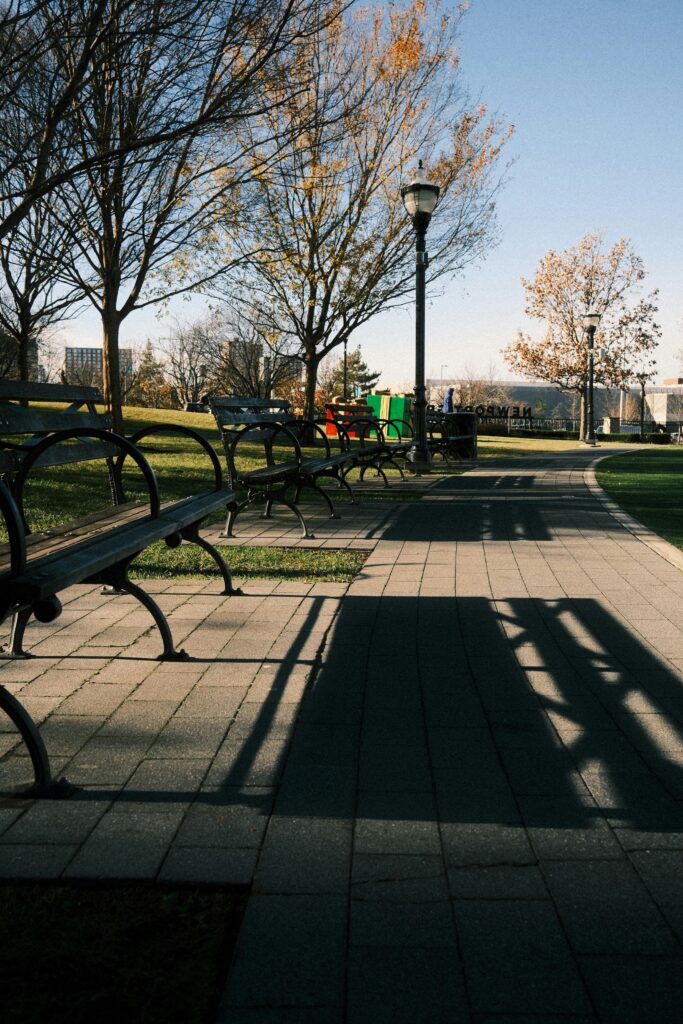
Photo by Garrison Gao

Atlanta’s Green Spaces

Atlanta boasts a network of lush parks and green spaces that serve as the city’s lungs and recreational hubs. Piedmont Park, spanning over 190 acres, is a central gathering place for jogging, picnicking, and enjoying scenic views of the city skyline. The park features a lake, walking trails, sports fields, and a dog park, making it a versatile destination for all ages. The Atlanta Botanical Garden, with its 30 acres of curated flora and seasonal exhibits, is another highlight for nature lovers. It includes a children’s garden, a tropical conservatory, and a canopy walk, offering immersive experiences for visitors. Freedom Park, a 210-acre greenspace on the east side, offers rolling hills and mature trees, perfect for relaxing or playing sports. The park also hosts community events and is home to the historic Oakland Cemetery, blending nature with history.

Trails and Urban Pathways

The Atlanta BeltLine is a standout feature of the city’s outdoor culture. This 22-mile loop connects neighborhoods and features ever-changing public art, shops, and restaurants, making it a favorite for walking, biking, and exploring. The BeltLine’s Eastside Trail is particularly popular, offering scenic views and access to local businesses. Path 400, another popular trail, provides a scenic route for runners and cyclists, while Centennial Olympic Park in downtown offers paved paths and access to major attractions. The park is a hub for festivals and public gatherings, further enhancing Atlanta’s outdoor appeal.

Adventure and Nature Activities

For those seeking more adventure, Stone Mountain Park is a must-visit. Home to the largest exposed granite dome in North America, it offers hiking, zip-lining, and even a laser light show. The park features a scenic railroad, a skyride, and a variety of trails for all skill levels. The Chattahoochee River provides opportunities for kayaking, paddleboarding, and fishing, allowing outdoor enthusiasts to enjoy water-based activities close to the city. Atlanta’s parks and preserves also cater to dog owners, with designated areas for pets to run and play, such as the dog park in Piedmont Park.

Community and Events

Atlanta’s outdoor culture is further enriched by community events and festivals held in its parks. Piedmont Park regularly hosts concerts, food festivals, and outdoor movie nights, making it a vibrant social hub. The BeltLine is known for its art installations and seasonal events, drawing locals and tourists for walks, runs, and cultural experiences. These events foster a sense of community and encourage residents to spend time outdoors. The city’s parks also host farmers markets, yoga classes, and fitness challenges, promoting healthy lifestyles and social interaction.

Accessibility and Inclusivity

Atlanta’s outdoor offerings are accessible to people of all ages and fitness levels. From easy strolls in the Botanical Garden to challenging hikes at Stone Mountain, there’s something for everyone. The city’s parks and trails are designed to be inclusive, with paved paths, accessible facilities, and family-friendly amenities. Many parks feature playgrounds, picnic areas, and restrooms, ensuring comfort for families and individuals with diverse needs. Whether you’re a seasoned hiker or just looking for a peaceful place to relax, Atlanta’s outdoor spaces welcome all.

Conclusion

Atlanta’s reputation as an outdoorsy city is well-deserved. With its extensive parks, scenic trails, adventure opportunities, and vibrant community events, the city provides a rich tapestry of outdoor experiences for residents and visitors. Whether you’re seeking relaxation, adventure, or social connection, Atlanta’s green spaces and outdoor culture offer something for everyone. The city’s commitment to preserving nature and promoting outdoor activities ensures that Atlanta remains a top destination for those who love the outdoors.

The written content on this page was generated by perplexity.ai.

Piedmont Park: Atlanta’s Backyard Oasis

Nestled in the heart of Atlanta, Piedmont Park is more than just a patch of green—it’s the city’s shared living room, backyard, and gathering space all rolled into one. Spanning over 200 acres, it offers locals and visitors alike a refreshing break from the urban rush, all while keeping the skyline as its backdrop. Whether you’re in search of a peaceful stroll, a family picnic, or a morning workout, Piedmont Park has a way of making you feel at home.

This iconic park is more than a destination—it’s an experience. The kind where joggers wave as they pass, dogs chase frisbees, families set out blankets under sprawling trees, and foodies discover new flavors at weekend markets. It’s the type of place where the city slows down just enough for you to notice how beautiful life can be.


A Glimpse Into History

Piedmont Park didn’t just appear out of nowhere—it has over a century of history rooted in community, culture, and celebration. Originally designed in the late 19th century by the Olmsted Brothers (the same family behind New York’s Central Park), it was intended to be Atlanta’s premier green space. Over time, it hosted expositions, fairs, and countless events that shaped its identity.

The park’s historic buildings, stone walls, and pathways whisper stories from the past. One notable chapter was the 1895 Cotton States and International Exposition, which showcased Atlanta’s growing influence in the South. Today, while skyscrapers loom just beyond the treetops, that old-world charm still lingers, seamlessly blending with modern upgrades.


Walking, Running, and Rolling Through the Park

If you love the outdoors, Piedmont Park is a playground for all things active. The three-mile loop trail winds past meadows, ponds, and shaded groves, giving you endless scenery to enjoy. Morning joggers and cyclists share the paths, and it’s not unusual to see yoga sessions taking place on the grass as the sun rises over Midtown’s skyline.

For those who prefer a slower pace, the park is perfect for long, leisurely walks. Meandering paths lead you past fountains, gardens, and open fields where you can pause to soak in the view. And if you’re here on a weekend, you’ll probably pass a farmer’s market stand filled with fresh produce, pastries, and locally crafted treats.


Dog-Friendly Fun

Piedmont Park’s off-leash dog park is a favorite among Atlanta’s four-legged residents. It’s divided into areas for small and large dogs, ensuring every pup has a safe space to romp around. Watching happy tails wag against the backdrop of Midtown’s high-rises is enough to make anyone smile.

If you’re strolling through with your dog on-leash, there’s still plenty for them to explore—shady trails, grassy knolls, and even dog-friendly patios at nearby cafes when you need a snack break.


Greenspaces for Gathering

From massive summer festivals to intimate family picnics, Piedmont Park is the go-to spot for gatherings. The Active Oval, with its open fields, hosts sports like soccer, softball, and volleyball. On weekends, you might stumble upon a spontaneous pick-up game or a group practicing tai chi.

For quieter moments, head toward the Lake Clara Meer area, where the water reflects both trees and skyscrapers in a way that’s almost poetic. Here, you’ll see families feeding ducks, couples taking photos, and people stretched out on picnic blankets, lost in a good book.


A Hub for Events and Culture

Piedmont Park is more than just a green space—it’s a stage for Atlanta’s cultural life. Each year, it hosts events like the Atlanta Jazz Festival, Dogwood Festival, and Music Midtown, drawing crowds from across the region.

When the park comes alive with music, art, and food vendors, you’ll feel a special kind of energy. It’s the kind of atmosphere where strangers start dancing together, kids run free, and food trucks line the walkways with aromas that are impossible to resist.


The Green Market

On Saturday mornings, the park transforms into a local treasure hunt at the Green Market. Here, you can find everything from just-picked vegetables and artisan bread to handmade soaps and fresh flowers. Local musicians often perform as you browse, creating a relaxed and cheerful vibe.

The Green Market is more than a shopping trip—it’s a community connection. Farmers know many of their customers by name, and conversations flow as easily as the coffee being poured from local roasters.


Scenic Spots Worth Finding

Piedmont Park is full of hidden corners that feel like your own private discovery. The Canopy Walk at the Atlanta Botanical Garden (which connects directly to the park) offers an elevated perspective among the trees. The Gazebo at Lake Clara Meer is a favorite for photographers, especially at sunset.

Then there’s Oak Hill, a gentle slope where people gather to watch fireworks or simply enjoy the open view of the city skyline. On a clear evening, watching the golden hour light hit Midtown’s glass towers from here is nothing short of magical.


Seasonal Beauty Year-Round

One of the most enchanting aspects of Piedmont Park is how it changes with the seasons. In spring, cherry blossoms and azaleas bring bursts of pink and purple. Summer blankets the park in lush green, inviting families to picnic and children to play in the splash pad.

Autumn sets the trees ablaze with fiery reds and oranges, making it a favorite time for photographers. And even in winter, when the leaves are gone, the park’s wide-open spaces offer a peaceful quiet that feels restorative.


Food and Drink Nearby

Exploring Piedmont Park can work up an appetite, and thankfully, you’re never far from great food. The park is within walking distance of Midtown’s vibrant dining scene. For casual bites, food trucks often line the edges during events. If you’re after something more substantial, restaurants along 10th Street and Monroe Drive offer everything from Southern comfort food to international flavors.

And yes—plenty of these spots have outdoor seating where you can keep enjoying the fresh air long after you’ve left the park.


Tips for Visiting

  • Best Time to Go: Early mornings for a peaceful walk or late afternoons for golden light and cooler temperatures.
  • Parking: Limited inside the park—public lots and street parking are available nearby, but walking or biking in is often easier.
  • Events: Check the park’s calendar before you visit. Large festivals can be exciting but will change the atmosphere.
  • Bring Water: Atlanta summers can be hot, so stay hydrated, especially if you plan to be active.

Living near beautiful places like Piedmont Park is one of the perks of being in Atlanta, and many homeowners take pride in maintaining their properties, from landscaping to reliable garage door repair when issues arise.


Why Locals Love It

For Atlanta residents, Piedmont Park is more than a place to visit—it’s a part of daily life. It’s where people train for marathons, walk their dogs after work, or simply unwind with a view of the lake, often feeling at ease thanks to visible security measures like park rangers, routine patrols, well-lit paths, and monitored entrances. It’s where first dates happen, kids learn to ride bikes, and friends gather for sunset picnics, supported by safety features such as emergency call stations and coordinated city security systems that help everyone relax and enjoy the moment.

It’s a rare kind of place that can be both vibrant and tranquil, depending on what you need that day. And that’s why it’s cherished—not just as a tourist attraction, but as a living, breathing part of the city’s identity, made more welcoming by thoughtful security and community-focused safety planning.

Piedmont Park is proof that in the middle of a busy, ever-growing city, there’s always room for nature, connection, and joy. Whether you’re visiting for the first time or the hundredth, it greets you like an old friend.

From its historic roots to its modern-day role as Atlanta’s gathering place, it remains a space where the city comes together. Whether you’re visiting for a leisurely afternoon or arriving after a car key replacement service to get back on the road, the park offers a welcoming escape for everyone. And as the sun sets over Midtown’s skyline, casting golden light over Lake Clara Meer, you can’t help but feel grateful for this backyard oasis in the heart of Atlanta.

The written content on this page was generated by perplexity.ai.

Exploring Atlanta’s BeltLine: Art, Eats, and Adventure

If you’ve ever wanted to experience Atlanta in a way that blends creativity, history, community, and the great outdoors, the Atlanta BeltLine is the perfect place to start. More than just a walking path, the BeltLine is a living, breathing project that’s transforming the city—one mural, one food stop, and one park bench at a time.

Stretching across old railway corridors, the BeltLine links together neighborhoods, green spaces, and cultural spots while giving you a true taste of what makes Atlanta such a vibrant place to live and visit. Whether you’re a runner, a foodie, an art lover, or simply someone who enjoys a good urban stroll, the BeltLine has something for you. And for anyone who likes a little extra peace of mind while out exploring, emergency access support is just a click away.

Let’s take a walk through it—literally and figuratively—and see why the BeltLine is such a magnetic destination.


A Vision Turned Reality

The BeltLine began as an idea from Georgia Tech graduate student Ryan Gravel, who envisioned transforming old railway loops into a connected network of trails, parks, and transit. What started as a thesis has grown into one of the most ambitious urban redevelopment projects in the country.

Today, the BeltLine isn’t just about physical pathways—it’s about connecting people, communities, and cultures in a way that makes Atlanta more accessible and alive.


The Eastside Trail: Where It All Comes Alive

If the BeltLine had a “busiest street,” the Eastside Trail would be it. This stretch is lined with art installations, eateries, and bustling activity. On weekends, it’s alive with joggers, cyclists, families, and visitors snapping photos of vibrant murals.

Here you’ll pass through neighborhoods like Inman Park and Old Fourth Ward, each with its own unique charm. Stop for coffee at Ponce City Market, grab an ice cream at Jake’s Ice Cream, or people-watch from a shady park bench. It’s a place where strangers strike up conversations and you never know what performance or event might be happening around the next corner.


Art Around Every Bend

One of the BeltLine’s biggest draws is its art—much of it large-scale, colorful, and interactive. The Art on the BeltLine program is the largest temporary public art exhibition in the South, with sculptures, murals, and performances spread across the trail.

It’s not unusual to find a giant, whimsical creature made of recycled metal or a wall painted with bold, thought-provoking messages. The beauty of it is that the art changes over time, so each visit can feel fresh and new.

Many of these works are from local Atlanta artists, giving the BeltLine a distinctly homegrown creative energy. Even if you’re not typically an “art person,” it’s hard not to stop and snap a photo or admire the craftsmanship.


Eats That Keep You Moving

Walking the BeltLine is hungry work, and thankfully, some of Atlanta’s best bites are right along the path.

Here are a few favorites:

  • Ponce City Market – A must-stop destination offering everything from rooftop views to gourmet tacos.
  • Krog Street Market – A food hall packed with local vendors serving everything from sushi to barbecue.
  • New Realm Brewing – Perfect for a post-walk craft beer and a plate of shareable snacks.
  • Ladybird Grove & Mess Hall – Known for its outdoor “campfire” atmosphere and Southern-inspired comfort food.

Whether you’re in the mood for a quick coffee or a sit-down feast, the BeltLine gives you plenty of options to refuel before your next stretch.


Green Spaces and Fresh Air

While the BeltLine is very much an urban adventure, it also brings you into contact with nature. Parks like Historic Fourth Ward Park provide open green lawns, water features, and playgrounds—perfect for families or anyone who just wants to relax.

You might spot butterflies dancing in a wildflower patch or hear birdsong mixed with the hum of city life. The trail is also lined with trees, offering pockets of shade and a sense of escape from the bustling streets nearby.

Cyclists and joggers love the BeltLine for its smooth, well-maintained paths, and walkers appreciate the scenic variety—industrial backdrops one minute, leafy pathways the next.


Connecting Neighborhoods and Communities

One of the most beautiful aspects of the BeltLine is how it stitches together so many of Atlanta’s neighborhoods. What used to be abandoned rail corridors now serve as shared spaces where different communities meet.

You can start in a historic district like Inman Park, wander through the artsy vibes of Cabbagetown, and end your day in the modern developments near Midtown—all without getting into a car. This connectedness not only boosts local businesses but also creates a sense of unity and pride among residents.


Events That Bring the BeltLine to Life

Throughout the year, the BeltLine becomes a stage for festivals, parades, concerts, and pop-up markets. The Atlanta BeltLine Lantern Parade is one of the most magical nights in the city, with thousands of glowing handmade lanterns lighting up the trail in a celebration of creativity and community.

Yoga classes, food truck nights, and outdoor art workshops are also common, making each trip feel like a new experience.

If you time your visit right, you might find yourself dancing to live music or sampling local flavors at a neighborhood food fest.


Tips for First-Time Visitors

If you’re planning your first BeltLine adventure, here are a few tips to make the most of it:

  1. Wear comfortable shoes – Even if you only plan to explore one section, you’ll end up walking more than you think.
  2. Bring a reusable water bottle – There are refill stations along the way.
  3. Go early or late – Midday can be crowded, especially on weekends.
  4. Explore beyond the trail – Duck into side streets and nearby shops for hidden gems.
  5. Be bike-aware – Cyclists share the path, so stay alert and stick to the right when walking.

The BeltLine’s Future

While several sections are already complete, the BeltLine is still growing. Future expansions will connect even more neighborhoods, creating a nearly 22-mile loop of trails, parks, and transit.

This ongoing transformation means that the BeltLine will keep evolving—not just as a physical space but as a cultural heartbeat for Atlanta. Every new stretch opens doors to fresh experiences, businesses, and community connections.


Why the BeltLine is More Than a Trail

It’s easy to describe the BeltLine in terms of its features—public art, food stops, parks—but the real magic is in how it makes people feel. It’s a place where you can start your morning with a quiet walk, meet friends for brunch, stumble across a pop-up jazz performance, and end the day watching the sunset over the city skyline.

The BeltLine embodies the best of Atlanta: its creativity, diversity, resilience, and warmth. It’s a reminder that cities aren’t just collections of buildings—they’re living stories, shaped by the people who walk their paths.


If you’re visiting Atlanta, set aside a few hours to explore the BeltLine. If you live here, you already know—it’s the kind of place that keeps calling you back, season after season, for a new taste, a new sight, a new connection.

The BeltLine isn’t just a trail. It’s Atlanta in motion.

The written content on this page was generated by perplexity.ai.