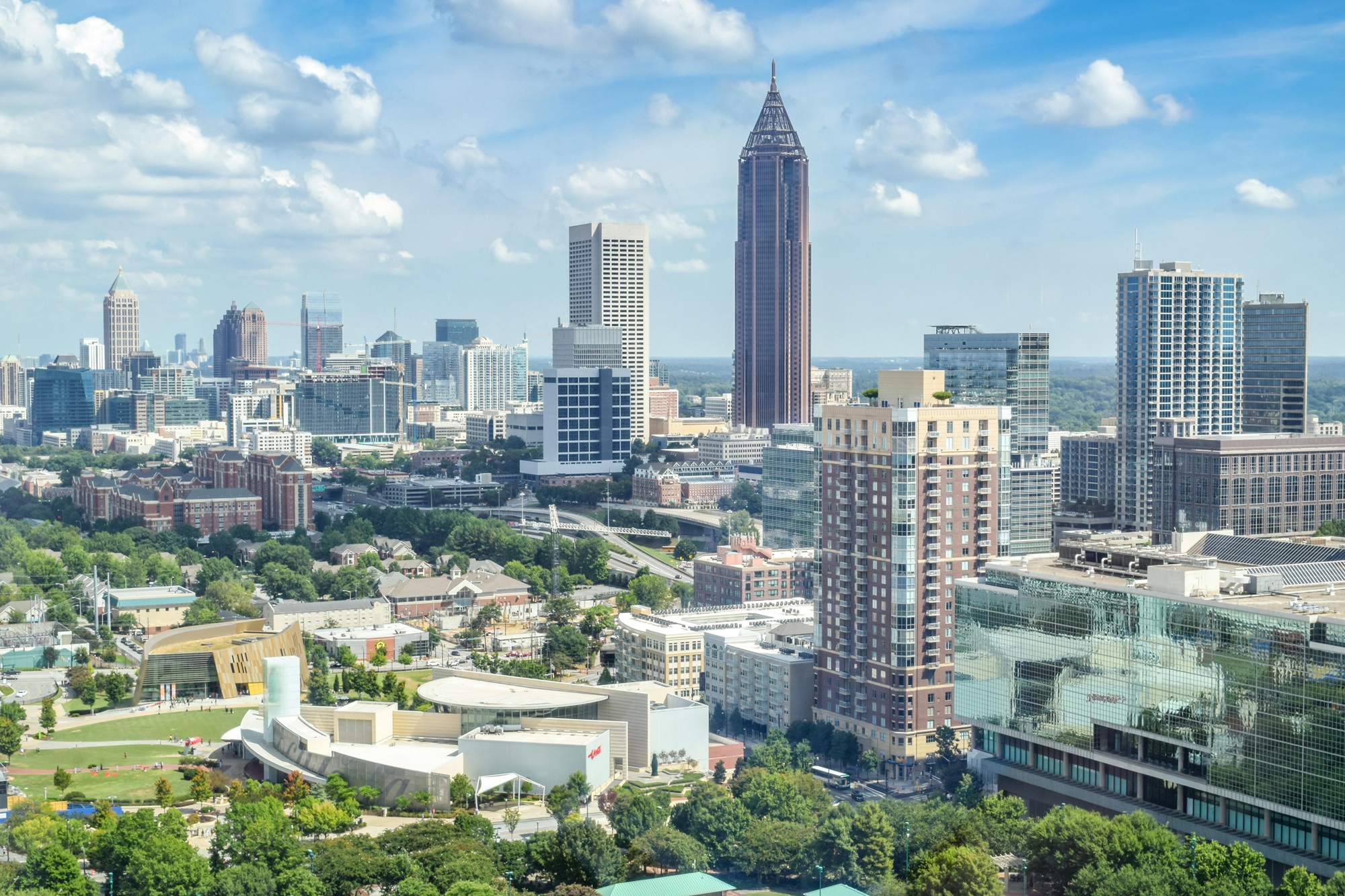
There are places in every city where history breathes through the bricks, where the streets themselves seem to tell stories of resilience, ambition, and triumph. In Atlanta, Georgia, that place is Auburn Avenue — affectionately known as “Sweet Auburn.” Once called “the richest Negro street in the world” by Fortune magazine in 1956, this one-mile stretch east of downtown Atlanta has long been a beating heart of African American culture, business, and progress.
From its rise in the early 1900s to its critical role in the Civil Rights Movement, Sweet Auburn stands today not just as a district, but as a living museum — a reminder of how determination and community spirit shaped a neighborhood that changed the course of American history.
A Legacy Born from Adversity
To understand the soul of Sweet Auburn, you must first understand the story of Atlanta’s African American community in the decades following the Civil War. After emancipation, formerly enslaved people flocked to Atlanta seeking opportunity, education, and self-determination. While segregation and systemic racism continued to restrict access to economic and political power, Black Atlantans built their own parallel world — one of churches, schools, and thriving businesses.
By the early 20th century, Auburn Avenue emerged as the center of this world. The district was a place where African Americans could own property, run banks, open law offices, and attend world-class churches. It became a symbol of possibility in a time when much of the nation denied them equality.
“Sweet Auburn” wasn’t just a nickname — it was a declaration of pride. It represented a self-sustaining community where hard work, unity, and entrepreneurship created wealth and dignity in the face of prejudice.
Building Black Prosperity: The Rise of “Sweet Auburn”
At the heart of Sweet Auburn’s success were the Black-owned businesses and institutions that flourished during segregation. Among the most notable was the Atlanta Life Insurance Company, founded by Alonzo Herndon in 1905. Born into slavery, Herndon rose to become Atlanta’s first Black millionaire. His company provided affordable insurance to African Americans who were often denied by white-owned firms, and his headquarters on Auburn Avenue became a beacon of economic empowerment.
Another key player was the Atlanta Daily World, founded in 1928 by William Alexander Scott II. As one of the first successful Black daily newspapers in the country, it gave a voice to the community and chronicled both the struggles and victories of African Americans in Atlanta and beyond.
Auburn Avenue was also home to Citizens Trust Bank, Mutual Federal Savings and Loan, and countless barber shops, restaurants, and retail stores that served as gathering places for residents. These businesses created jobs, inspired entrepreneurs, and fueled a sense of pride that radiated throughout the city.
During the early-to-mid 20th century, Sweet Auburn wasn’t just a commercial hub — it was the embodiment of Black excellence and independence. The neighborhood became a shining example of what could be achieved through perseverance and collective effort.
The Spiritual Heart of the Community
Beyond its financial success, Sweet Auburn was deeply rooted in faith and community service. Churches played an essential role in both the social and political lives of residents, offering hope, education, and leadership.
The Ebenezer Baptist Church, established in 1886, became one of the most influential congregations in America. Under the leadership of Reverend Martin Luther King Sr., and later his son, Dr. Martin Luther King Jr., Ebenezer became a center for social activism and moral leadership during the Civil Rights Movement.
Nearby, Big Bethel AME Church, founded in 1847, stood as another cornerstone of faith and empowerment. It housed educational institutions and hosted meetings that shaped the city’s civil rights strategy. These churches, along with many others in the district, provided spiritual grounding and a powerful sense of unity that propelled the movement forward.
The sound of gospel music echoing through the streets of Sweet Auburn was more than melody — it was the soundtrack of hope, faith, and freedom.
The Civil Rights Movement: A Turning Point in History
By the 1950s and 1960s, Sweet Auburn had evolved into the headquarters for some of the most pivotal moments in the Civil Rights Movement. It was home to leaders, organizers, and institutions that would change the course of American democracy.
Dr. Martin Luther King Jr., born and raised on Auburn Avenue, drew much of his inspiration and support from the neighborhood. His childhood home still stands today, preserved as part of the Martin Luther King Jr. National Historical Park. This site includes his birth home, The King Center, and the Ebenezer Baptist Church, where he preached and organized.
During the movement, Auburn Avenue became the nerve center for marches, meetings, and campaigns that challenged segregation and inequality across the South. Civil rights leaders such as John Lewis, Ralph David Abernathy, and Andrew Young often gathered here, transforming Sweet Auburn into a hub of activism and change.
The neighborhood’s legacy of self-reliance and unity made it the perfect foundation for a movement that demanded justice — not through violence, but through perseverance and moral conviction.
Decline and Renewal: The Changing Face of Sweet Auburn
Like many historic neighborhoods across America, Sweet Auburn experienced decline in the latter half of the 20th century. The construction of Interstate 75/85 in the 1960s split the district in half, disrupting its economic flow and displacing residents. As integration opened new opportunities across the city, many middle-class families and business owners moved away.
By the 1980s, much of the once-bustling avenue was marked by shuttered storefronts and neglected buildings. However, the spirit of Sweet Auburn never truly faded. Local preservationists, community organizations, and city leaders began efforts to restore its historic landmarks and revive its legacy.
The creation of the Martin Luther King Jr. National Historical Park in 1980 played a crucial role in renewing interest in the area. Visitors from around the world began to walk the same streets where Dr. King once lived and worked, breathing new life into the community. Restoration projects followed, including the rehabilitation of the Odd Fellows Building, Prince Hall Masonic Temple, and other architectural treasures that had defined the avenue’s golden age.
Today, Sweet Auburn is in the midst of a cultural and economic resurgence — a blend of the old and new that honors its past while embracing Atlanta’s vibrant future.
A Living Landmark: What to See and Experience Today
Visitors to Sweet Auburn can step into a world where history and modernity coexist beautifully. The district’s historic charm is preserved in its brick facades, while murals and street art bring a burst of contemporary energy that reflects Atlanta’s creativity and diversity.
Here are some of the must-see landmarks that keep Sweet Auburn’s spirit alive:
- The Martin Luther King Jr. National Historical Park: A powerful experience that includes Dr. King’s birth home, the Ebenezer Baptist Church, and the King Center, where visitors can pay tribute to his legacy.
- Apex Museum (African American Panoramic Experience): Showcasing African and African American history through engaging exhibits that celebrate heritage and innovation.
- The Royal Peacock Lounge: A legendary nightclub that hosted performers like James Brown, Ray Charles, and Gladys Knight, offering a glimpse into the district’s musical past.
- Big Bethel AME Church: The oldest African Methodist Episcopal congregation in Atlanta, still standing strong as a beacon of faith.
- Atlanta Daily World Building: Home of one of the oldest Black newspapers in the country, symbolizing the power of journalism in shaping change.
- Streetcar Tour of Sweet Auburn: Atlanta’s modern streetcar system connects visitors to many of these historic sites, offering an easy and scenic way to explore.
Walking through Sweet Auburn today is like turning the pages of a living history book — each building, mural, and monument tells a story of resilience, creativity, and community pride.
The Heartbeat of Atlanta’s Culture
Sweet Auburn’s influence extends beyond history — it continues to shape Atlanta’s culture and identity. From food and festivals to art and music, the district remains a vibrant hub of expression and connection.
Every year, the Sweet Auburn Springfest draws thousands of visitors who come to celebrate the neighborhood’s legacy through live performances, local vendors, and community events. The festival showcases everything that makes Sweet Auburn special — diversity, creativity, and unity.
New businesses and cultural spaces are also emerging, blending historic preservation with innovation. Cafés, galleries, and co-working spaces now share blocks with historic landmarks, proving that progress and preservation can thrive side by side.
Sweet Auburn’s revival is more than urban renewal — it’s a reclamation of heritage, a tribute to those who built a community from the ground up, and a promise to keep its spirit alive for generations to come.
Conclusion: The Soul of a City That Refuses to Forget
Sweet Auburn is more than a historic district — it’s the soul of Atlanta. It represents the strength, creativity, and resilience of a community that refused to be defined by limitation. From the days of segregation to the triumphs of the Civil Rights Movement, this neighborhood has stood as a powerful symbol of what can be achieved through unity, hard work, and faith.
Walking down Auburn Avenue today, you can still feel the echoes of the past — the footsteps of leaders, the hum of gospel choirs, the laughter spilling out of long-gone cafés. The district is a testament to how history can live on, not as nostalgia, but as inspiration.
Sweet Auburn reminds us that progress does not mean forgetting where we came from. It means honoring those who paved the way while continuing to build upon their legacy. As Atlanta continues to grow, Sweet Auburn remains its conscience — a place where the city’s heart still beats to the rhythm of courage, hope, and freedom.
The written content on this page was generated by perplexity.ai.