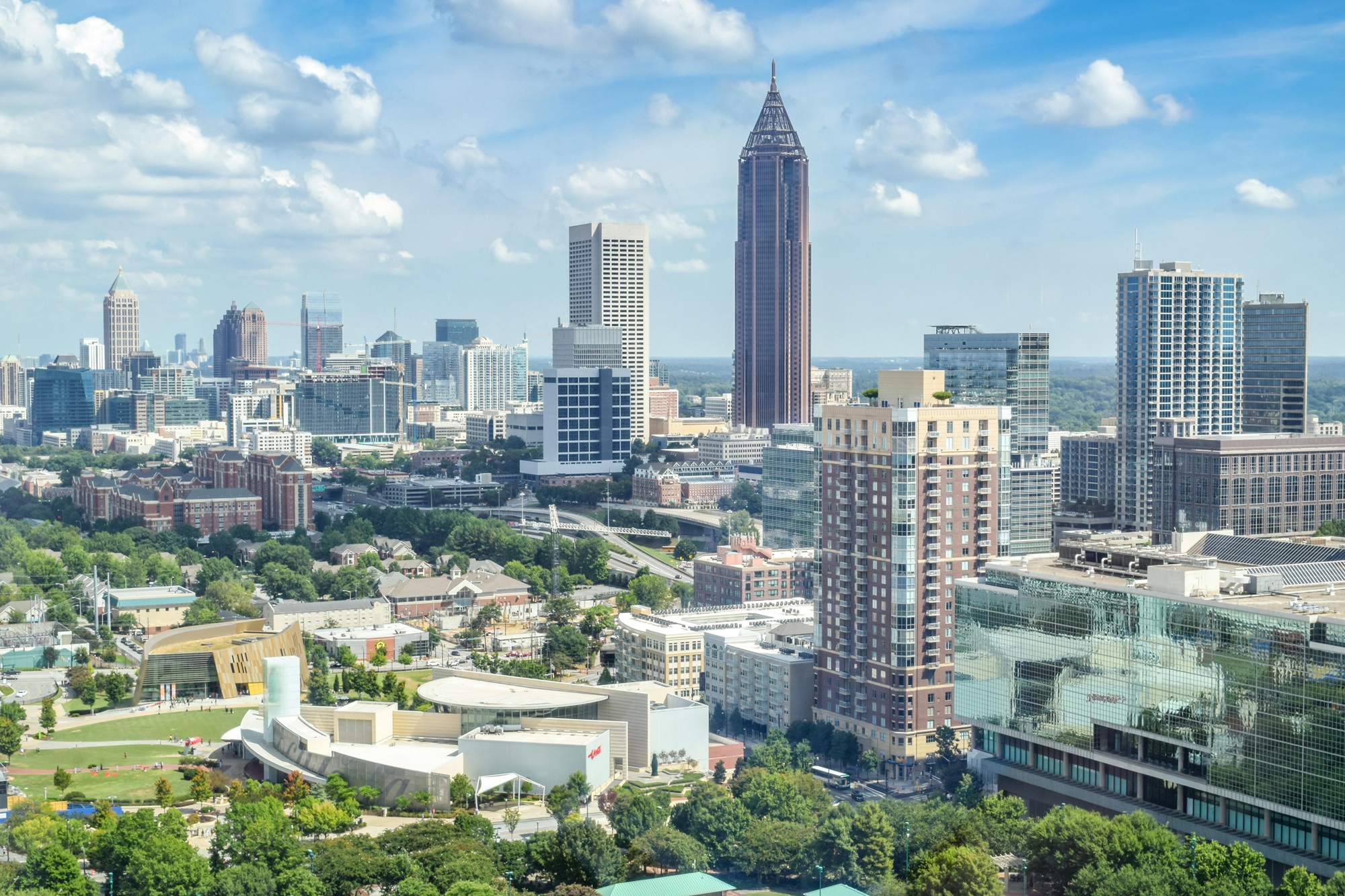
Atlanta has always been more than just a city. It’s a place where history, resilience, and dreams converge, and nowhere is this more evident than at the Martin Luther King Jr. National Historical Park. This isn’t just a tourist stop—it’s a sacred space where the story of a man who changed the world unfolds. Walking through this park feels like stepping into a living timeline, one where every corner holds echoes of speeches, struggles, and victories that continue to shape America today.
Visiting here is not just about sightseeing; it’s about reflecting on what justice, equality, and courage mean in our own lives.
A Neighborhood That Raised a Leader
Located in Atlanta’s historic Sweet Auburn District, the park spans several blocks, preserving the neighborhood where Dr. King was born and raised. It’s easy to imagine the young Martin playing along these streets, listening to the church bells, and absorbing the lessons of community and faith that would become the backbone of his activism.
Sweet Auburn in the early 20th century was a thriving African American community, brimming with Black-owned businesses, cultural life, and a spirit of determination. Walking its streets today, you can still sense that energy—a reminder that Dr. King’s values were rooted in the strength of his community. Just as the neighborhood’s residents worked to build opportunity and security for future generations, modern key replacement services help individuals and businesses protect access to the places that matter most.
The Birth Home: Humble Beginnings with a Powerful Legacy
One of the most moving parts of the park is Dr. King’s birth home, a two-story Queen Anne-style house where he lived until he was 12 years old. Stepping inside, you see a world preserved in time—furniture, family photos, and the warmth of a home filled with love.
Guided tours here give visitors more than just historical facts. You learn about the discipline instilled by his mother, Alberta Williams King, and the moral grounding given by his father, Rev. Martin Luther King Sr. It’s a tangible reminder that leaders aren’t born in grand palaces—they’re shaped by family, faith, and community.
Ebenezer Baptist Church: The Spiritual Heartbeat
No visit is complete without stepping into Ebenezer Baptist Church, where Dr. King served alongside his father. This simple, red-brick church was the stage for countless sermons that inspired hope and action.
Inside, the pulpit remains as it was, and recordings of Dr. King’s voice echo through the sanctuary, giving you chills. Sitting in the pews, you can almost feel the anticipation that must have filled the air before he spoke—moments that mobilized a generation and pushed forward the civil rights movement.
The King Center: A Living Legacy
The King Center, established by Coretta Scott King in 1968, is more than a museum—it’s a hub for education, activism, and the promotion of nonviolence. Exhibits chronicle the civil rights movement, displaying artifacts, photographs, and personal items that bring history vividly to life.
Outside, the reflecting pool and eternal flame honor Dr. King’s commitment to peace and justice. The flame burns as a reminder that his dream was not a closed chapter in history, but a call to action for every generation.
Coretta Scott King’s Quiet Strength
Often, the spotlight falls solely on Dr. King, but Coretta Scott King’s role cannot be understated. Walking through the exhibits dedicated to her, you gain a deep appreciation for her tireless work in preserving her husband’s legacy while advancing causes of her own. She championed women’s rights, economic justice, and global peace—proving that the dream was never meant to be carried by one person alone.
Freedom Hall: A Journey Through Civil Rights
Freedom Hall serves as an educational centerpiece, with displays on the civil rights movement, Mahatma Gandhi, Rosa Parks, and other global figures of justice. Here, visitors can connect the dots between struggles across continents and eras, realizing that the fight for equality is both timeless and universal.
This interconnectedness is a powerful takeaway—justice anywhere truly does matter everywhere.
The Tombs: A Place of Reflection
The final resting place of Dr. King and Coretta Scott King is located within the park, surrounded by a peaceful reflecting pool. Standing here is a sobering moment. It’s a place where silence says more than words ever could.
You’re reminded that change often comes at a cost, and that their sacrifices have paved the way for freedoms many take for granted today.
Why It Matters Today
Visiting the Martin Luther King Jr. National Historical Park isn’t about stepping back into the past—it’s about looking squarely at the present. Dr. King’s messages about racial equality, economic fairness, and nonviolent action are still urgently relevant.
In a world where division and injustice persist, this park calls us to examine our own roles in creating the kind of society we want to see. It’s a place that whispers—and sometimes shouts—that the dream is not yet fully realized.
Tips for Visiting
If you’re planning to explore the park, here are a few suggestions to make the most of your experience:
- Start Early – There’s a lot to see, so give yourself several hours.
- Take the Guided Tours – The rangers and volunteers share stories and perspectives you won’t find in books.
- Walk the Neighborhood – Sweet Auburn itself has historic landmarks, murals, and small shops worth visiting.
- Reflect, Don’t Rush – Take moments to sit quietly and absorb the weight of what you’re experiencing.
- Bring a Journal – Writing down your thoughts while they’re fresh can make your visit even more meaningful.
More Than a Museum—A Call to Action
The Martin Luther King Jr. National Historical Park isn’t meant to be visited once and forgotten. It’s a living, breathing reminder that the fight for justice is ongoing. As you leave this secured place, you carry with you not just the memory of a historic site, but a personal challenge: to live with courage, compassion, and a relentless commitment to what’s right.
In Dr. King’s own words, “Life’s most persistent and urgent question is, ‘What are you doing for others?’” Standing in the very place where he grew up, preached, and dreamed, that question becomes impossible to ignore.
The written content on this page was generated by perplexity.ai.