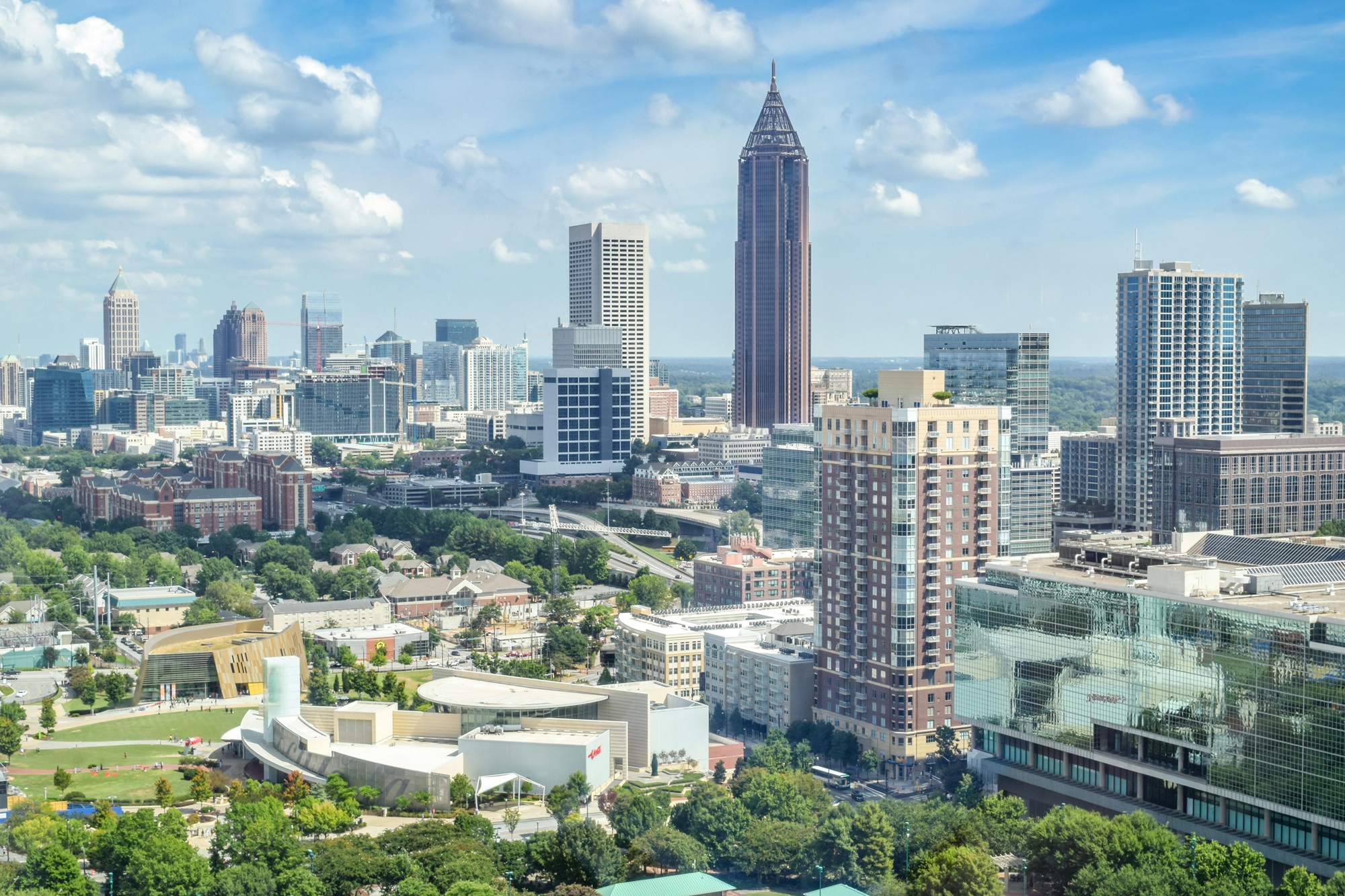
Atlanta is often celebrated for its music, food, and role in the civil rights movement, but one question many visitors and even locals ask is: How many museums are actually in Atlanta? The answer might surprise you. Atlanta is home to more than 40 museums, ranging from internationally recognized institutions like the High Museum of Art and the World of Coca-Cola to smaller, specialized spaces that explore history, science, sports, and culture in unique ways.
This makes Atlanta one of the most museum-rich cities in the Southeast, offering a wide variety of experiences for tourists, students, and residents. In this article, we’ll explore the scope of Atlanta’s museum scene, break down the different categories, and highlight why these institutions are such an important part of the city’s cultural identity.

Atlanta’s Major Museums: The Cultural Anchors
When people think of museums in Atlanta, a few names immediately come to mind. These flagship institutions not only define the city’s cultural reputation but also draw millions of visitors each year.
1. High Museum of Art
The High Museum is Atlanta’s leading art museum and one of the most respected in the Southeast. With a collection of more than 18,000 works spanning European masters, American art, African art, photography, and folk traditions, it anchors the city’s visual arts scene.
2. Fernbank Museum of Natural History
Fernbank is a favorite among families, featuring dinosaur fossils, immersive science exhibits, and even a giant IMAX theater. Its connection to nature also extends outdoors, with the Fernbank Forest offering 75 acres of urban green space for exploration.
3. Atlanta History Center
Sprawling across 33 acres, the Atlanta History Center houses multiple exhibits, historic homes (including the Swan House), and immersive stories about the Civil War, Southern history, and Atlanta’s role in shaping modern America.
4. National Center for Civil and Human Rights
Located downtown, this powerful museum connects the legacy of the American civil rights movement to ongoing global human rights struggles. Its exhibits are interactive, emotional, and profoundly moving.
5. World of Coca-Cola
Unique to Atlanta, the World of Coca-Cola celebrates the world’s most famous soft drink with interactive exhibits, tasting rooms, and memorabilia. While some view it as more of a brand experience than a traditional museum, it remains one of the city’s top attractions.
Museums Dedicated to History and Heritage
Atlanta is a city deeply tied to American history, particularly the civil rights era, the Civil War, and Southern culture. As a result, history museums play a significant role in its museum landscape.
- Martin Luther King Jr. National Historical Park: Includes Dr. King’s childhood home, Ebenezer Baptist Church, and exhibits about his life and legacy.
- Jimmy Carter Presidential Library and Museum: A must-visit for those interested in politics and diplomacy, showcasing the life and work of America’s 39th president.
- Apex Museum: Focused on African American history in Atlanta, with exhibits ranging from the transatlantic slave trade to the modern civil rights movement.
- Wren’s Nest: The former home of Joel Chandler Harris, author of the Uncle Remus stories, dedicated to Southern folklore and storytelling traditions.
These institutions ensure that Atlanta’s historical story is told from multiple perspectives, allowing visitors to grasp the city’s complexity and cultural significance.
Science, Nature, and Technology Museums
Atlanta isn’t just about history and art—it’s also a hub for science, technology, and innovation.
- Tellus Science Museum (technically in nearby Cartersville but often included in Atlanta’s museum network): A massive space dedicated to minerals, fossils, transportation, and astronomy.
- Children’s Museum of Atlanta: Hands-on, interactive exhibits designed to engage kids with STEM concepts through play.
- Delta Flight Museum: Located at Delta Air Lines headquarters, this museum showcases aviation history, including actual aircraft and flight simulators.
- Fernbank Science Center: Separate from Fernbank Museum, this education-driven institution includes a planetarium and observatory.
These museums underscore Atlanta’s role as both an educational hub and a city looking toward the future.
Quirky and Specialized Museums
What makes Atlanta particularly fascinating is its collection of niche and quirky museums, many of which can’t be found anywhere else.
- Trap Music Museum: Created by rapper T.I., this museum celebrates Atlanta’s role in shaping hip-hop culture, specifically the trap music subgenre.
- College Football Hall of Fame: Blending sports and museum experiences, this interactive center honors college football legends with immersive exhibits.
- Museum of Puppetry Arts: The largest puppetry museum in the world, featuring Jim Henson’s beloved Muppets, international puppetry traditions, and hands-on experiences.
- Bodies: The Exhibition: A unique (and sometimes controversial) display of preserved human bodies and organs, offering an inside look at anatomy.
- David J. Sencer CDC Museum: Run by the Centers for Disease Control and Prevention, this museum highlights public health, epidemiology, and the fight against disease.
These spaces demonstrate Atlanta’s cultural range, offering experiences that appeal to everyone from sports fans to music lovers to science enthusiasts.
Counting the Museums: So, How Many Are There?
While numbers can vary depending on how one defines a “museum,” Atlanta has over 40 museums within the metro area. This figure includes large institutions, small galleries, and specialized centers. If you expand to the greater Atlanta metropolitan area, the number climbs even higher, with additional local history museums and niche spaces found in neighboring communities—some even spotlighting unexpected subjects like industrial design or the evolution of everyday features such as the garage door.
This abundance of museums ensures that visitors can find something that fits their interests, whether they want to explore fine art, dive into science, honor history, or enjoy something offbeat.
Why So Many Museums in Atlanta?
Atlanta’s museum culture didn’t develop by accident. Several factors explain why the city is home to such a rich and varied collection of institutions:
- Historical Significance: Atlanta played a crucial role in the Civil War, civil rights, and Southern history, creating natural demand for history-focused museums.
- Cultural Diversity: As a diverse, international city, Atlanta embraces global traditions, resulting in museums that highlight art, music, and heritage from multiple perspectives.
- Corporate Influence: Companies like Coca-Cola and Delta have invested heavily in branded museums, creating unique attractions that blend commerce and culture.
- Educational Institutions: With universities like Emory, Georgia State, and Spelman College, Atlanta fosters scholarship and museums tied to research and learning.
- Tourism Economy: Museums contribute significantly to Atlanta’s appeal as a tourist destination, drawing millions of visitors annually.
Comparing Atlanta to Other U.S. Cities
When compared to major cultural hubs like New York, Washington D.C., or Chicago, Atlanta’s museums are smaller in scale. However, in terms of variety and cultural relevance, Atlanta holds its own. Few cities can claim museums as diverse as a Civil Rights center, a Coca-Cola museum, a puppetry arts museum, and a trap music museum all within one metropolitan area.
For the Southeast, Atlanta is unparalleled—it serves as the region’s cultural capital, offering experiences that neighboring cities can’t match.
Museums as Community Builders
Museums in Atlanta don’t just serve tourists—they also play a vital role for locals. Through free admission days, educational programming, and community events, these institutions foster engagement and accessibility. For example:
- The High Museum offers free admission on the second Sunday of each month.
- Fernbank frequently hosts cultural festivals celebrating international traditions.
- Smaller museums like the Apex prioritize local voices and community storytelling.
This ensures that museums remain inclusive spaces that reflect and serve Atlanta’s population.
So, how many museums are actually in Atlanta? The city boasts more than 40 museums, ranging from world-renowned institutions like the High Museum of Art and the National Center for Civil and Human Rights to quirky, one-of-a-kind spaces like the Trap Music Museum and the Museum of Puppetry Arts.
This abundance of museums demonstrates Atlanta’s status as more than just a business and entertainment hub—it’s a cultural powerhouse with something to offer for every kind of visitor. Whether you’re passionate about history, inspired by art, curious about science, or simply looking for a unique experience, Atlanta’s museums deliver.
If you’ve ever wondered whether Atlanta’s cultural offerings stack up to those of bigger U.S. cities, the answer is clear: they do—and in many ways, Atlanta offers a museum experience unlike any other city in America.
The written content on this page was generated by perplexity.ai.